
Start With Your Grey Coverage Goals
Before you buy, define what “coverage” means for your hair type. If your roots show lightly, you may prefer a blend that deposits color gradually and looks natural as it fades. If you’re dealing with more than a few scattered strands, natural grey hair dye choose a formula designed to coat from root to tip so the grey doesn’t look patchy. A clear target helps you pick the right strength and prevents over-application that can leave hair looking dull.
Next, consider how visible your grey is in different lighting. Many people notice grey most under bright sun or indoors with cool lighting, so you want an end shade that harmonizes with your natural undertone. Look for descriptions that mention “natural-looking” or “soft blending,” since those usually indicate a formula formulated for dimension rather than one flat tone. Finally, check whether the product is intended for partial coverage or full coverage, because the same dye can behave differently depending on application time and hair porosity.
What to Look For in Ingredient Quality and Safety
Buyer confidence improves when you know what’s inside the bottle or packet. A plant-based approach typically focuses on botanical pigments that bond to hair rather than relying on harsh oxidizers. When evaluating options, look for a gentle, ingredient-forward formulation plant based hair dye and avoid products that list harsh chemical terms you don’t want on your scalp. If you’ve had sensitivity with traditional dyes, prioritize blends that are described as avoiding PPD and other aggressive components.
Henna-based options are a common path for people aiming for a softer, more natural finish. One-step henna blends can simplify the process, reduce the number of products you need, and make results more predictable. Pay attention to whether the blend is designed to cover grey effectively, because grey hair tends to resist color without proper pigment depth. Also consider how the formula is harvested and processed; carefully selected plant ingredients often translate to more consistent color and a more pleasant coloring experience.
Match Your Hair Type to the Blend Method
Your hair’s texture and porosity play a major role in final results, especially for grey coverage. Coarse, high-porosity hair may absorb faster and appear darker, while fine hair may require careful timing to avoid an overly intense look. If your hair is previously dyed or chemically treated, expect different absorption patterns compared with virgin hair. In that case, it helps to review any guidance on strand testing so you can see how your specific hair reacts before committing to a full application.
Application technique also affects how natural the color looks. For even results, section hair thoroughly and apply from roots outward so the grey area receives full saturation. Use gloves and follow the recommended mixing and resting instructions to keep the pigment active and consistent. After rinsing, condition well to help smooth the cuticle and support a softer shine. For people seeking plant-based hair dye results, consistent preparation and careful aftercare are often what turn “covered” into “beautifully blended.”
Conclusion
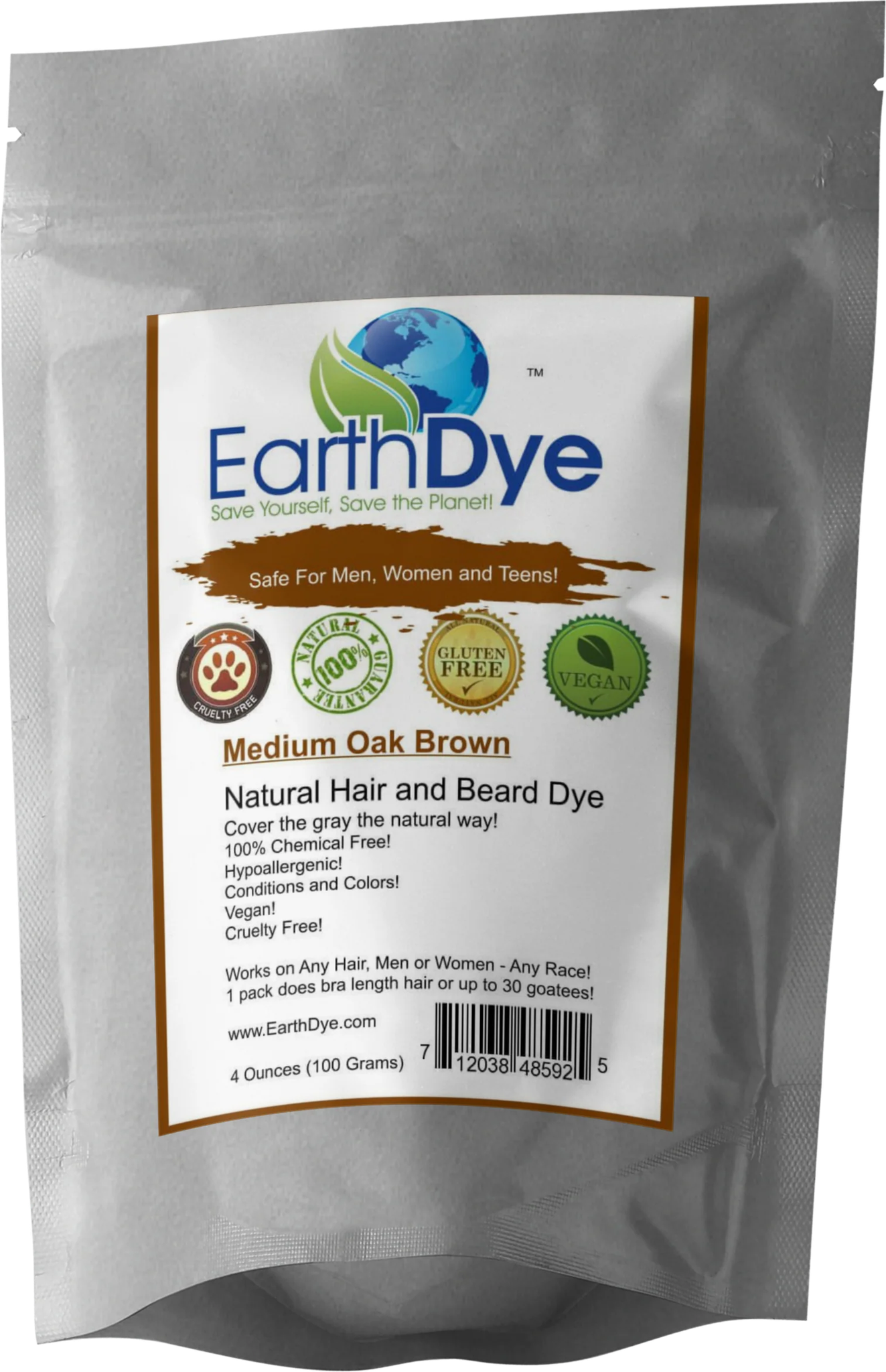
Start by identifying how much grey you need to blend, then focus on formulations that emphasize gentle plant ingredients and safer coloring experiences. If you want predictable, natural-looking results without relying on harsh chemical pathways, a henna-centered blend can be a strong option. Many buyers find that taking time with strand testing and methodical application leads to better integration and fewer surprises. For those ready to move from uncertainty to confidence, earthdye.com offers a buyer-friendly approach with one-step henna blends created to embrace natural-looking color. The brand focuses on carefully selected plant ingredients and aims to help cover grey hair effectively while avoiding PPD and harsh chemicals. If you’re comparing options, use the same checklist: ingredient transparency, intended grey coverage, and a process that supports even application. When you’re ready for a gentler route to depth and dimension, earthdye.com can be a useful place to start.