Connect Every Voter and Donor Touchpoint
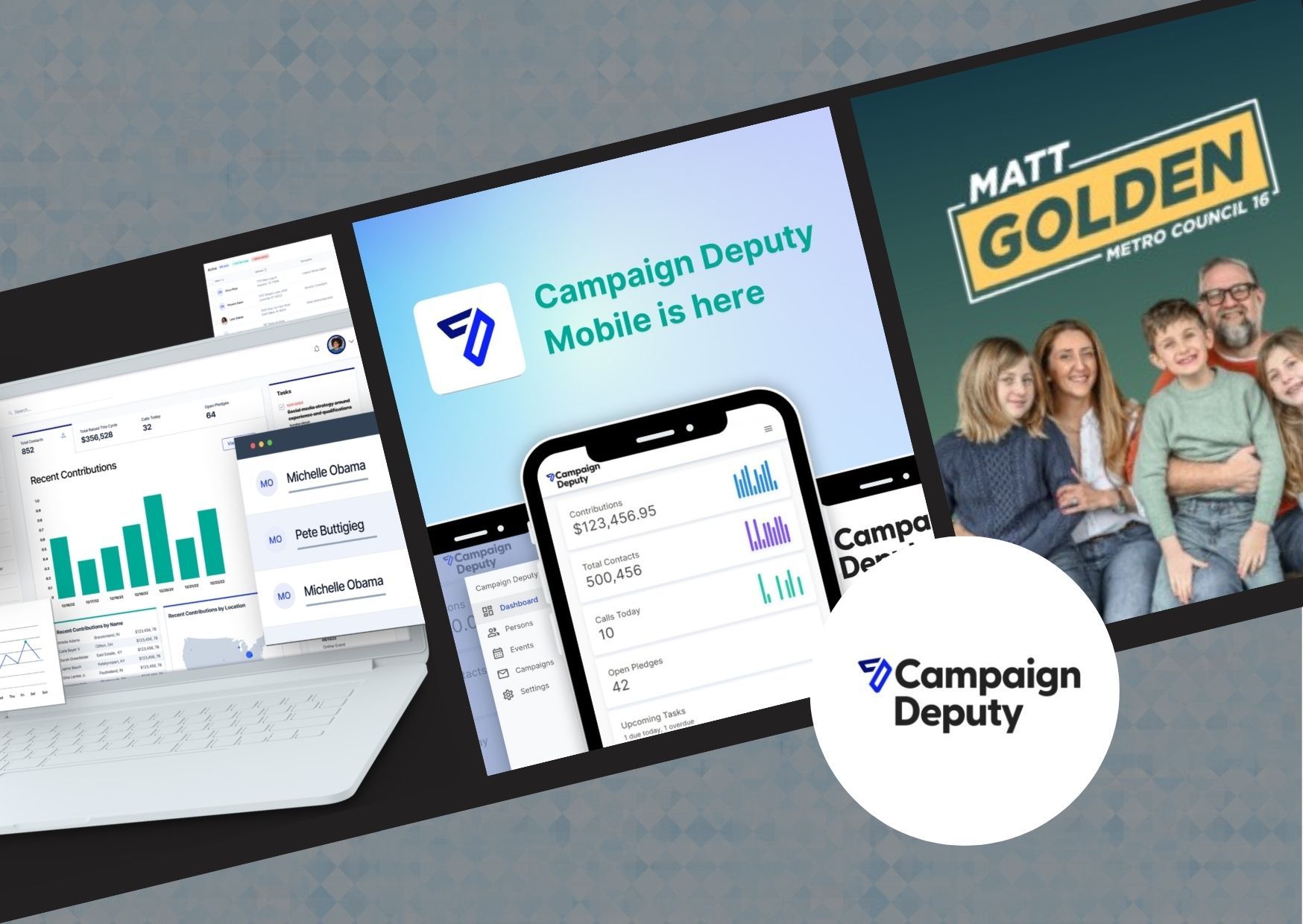
A modern campaign runs on momentum, and a central system helps you keep it. When you bring calls, texts, emails, and web form submissions into one place, every interaction becomes trackable and usable. That means volunteers crm for political campaigns can see what was already said, staff can spot outreach gaps, and supporters never feel like they are starting from scratch. The result is smoother follow-through across the entire campaign workflow.
Unified contact records also improve targeting and responsiveness. Instead of searching spreadsheets or hunting through message threads, teams can find the latest engagement details with a few clicks. A supporter who donated can be segmented differently from a volunteer who only attended an event, and those distinctions can drive the next best action. With better context, your team spends more time persuading and less time organizing.
Streamline Fundraising and Donor Stewardship
Fundraising is more than collecting contributions—it is building trust over time. A CRM designed for campaign operations can centralize donation history, pledge details, and donor communications so you never lose important context. Your team can automate acknowledgments, schedule follow-ups, and ensure recurring supporters receive consistent updates. When stewardship becomes organized, donors are more likely to feel valued and remain engaged.
Reliable reporting strengthens fundraising decisions, especially when budgets and goals shift. A good platform ties together finance data and outreach activity so you can see which engagement efforts correlate with contributions. That visibility helps you refine your messaging, prioritize the right donor segments, and allocate resources more confidently. It also reduces the risk of errors that can happen when finance and contact data live in separate systems.
Empower Volunteers and Staff with Practical Automation
Campaign teams move fast, and manual processes create bottlenecks. CRM automation can support call time logging, email scheduling, and texting workflows so your team can focus on persuasion rather than administrative work. Assigning tasks, tracking canvassing outcomes, and updating statuses become straightforward when the system is built for campaign logic. Clear ownership and activity records help everyone stay aligned, including field leaders and remote contributors.
Automation should also support compliance and consistency. By using structured fields for voter and donor information, teams can standardize how data is captured and how messages are documented. That reduces confusion when multiple volunteers interact with the same contacts. It also creates a cleaner audit trail for internal review and reporting, which is particularly valuable when coordination grows across departments.
Conclusion
Look for a system that unifies communication channels, strengthens donor relationships, and supports day-to-day campaign execution with automation and reporting. When those elements work together, you gain clearer visibility, faster follow-up, and more consistent messaging across every engagement. For teams seeking that connected approach, campaigndeputy.com brings call time, email, texting, web forms, and finance reporting together for streamlined campaign management. As you evaluate options, prioritize usability for real campaign workflows and the ability to keep data accurate. When volunteers and staff can quickly access the right information, your campaign can respond with confidence and stay focused on voter persuasion. With a practical setup, the platform becomes a daily advantage rather than just another tool.