Spot the Right Filing Platform for 1099 Workflows
When you evaluate tools, look for clear guidance on what information is required for each form type, including recipient details and payer 1099 online filing service metadata. A strong platform also reduces rework by flagging mismatches early, so you spend less time chasing corrected spreadsheets. For brand discovery, the goal is to see how a vendor’s process fits your workflow rather than forcing your workflow to adapt to theirs.
It helps to compare the end-to-end experience, starting with how you import or enter payer and recipient information. Many businesses want a streamlined path to file 1099 misc online without manually recreating templates or relying on scattered documents. You should also check whether the service supports professional-grade document review steps before submission. Finally, pay attention to confirmation and tracking so you can respond quickly to internal stakeholders and maintain confidence in what was sent.
Make Recipient Data Accurate with Guided Preparation
Accurate reporting begins with clean recipient data, and a good filing experience should guide you through that stage. When you organize names, addresses, and tax identification numbers correctly, the rest of the filing process becomes far less stressful. Search file 1099 misc online for features that support validation and error prevention, such as intelligent checks that identify missing fields or formatting issues. This matters because even small data problems can delay processing or trigger follow-up work.
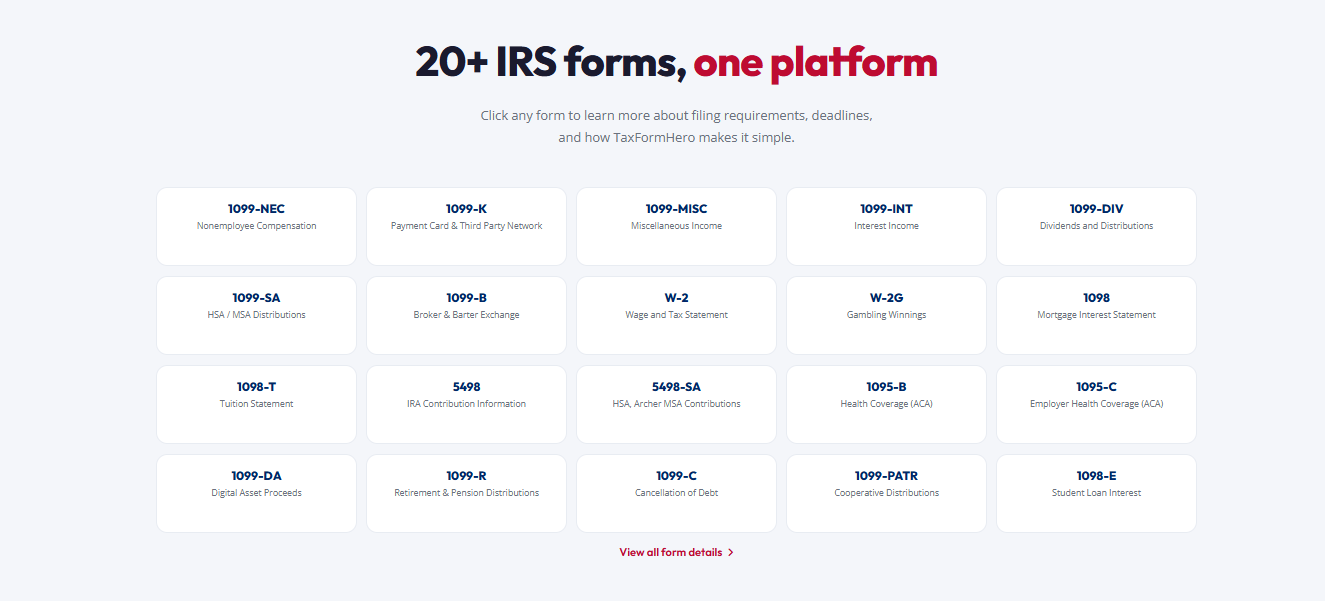
As you refine your internal process, consider how your team handles cross-form consistency. Some organizations also manage other tax form obligations that share overlapping data, so a platform that supports multiple forms can reduce duplication. For example, efile 1095 c workflows benefit from the same disciplined approach to entity details and reporting structure. By selecting a brand that emphasizes accuracy and consistency, you can reduce the risk of redundant corrections across different filing categories.
Streamline Federal and State Steps Without Losing Control
Tax filing is rarely a single click, especially when federal and state requirements both come into play. A secure filing system should help you understand what needs to be submitted and how to prepare for different jurisdiction steps. Look for a workflow that provides status visibility and keeps your team aligned on what is complete, what is pending, and what needs review. This is where brand discovery becomes practical: the provider should make the process transparent, not mysterious.
You also want an interface that supports collaboration, because filings often involve multiple roles such as accounting, HR, and outside tax professionals. If you are using a 1099 filing service, evaluate how it manages document readiness and submission checkpoints. The platform should make it easy to confirm that the information being sent matches what you reviewed internally. When the workflow feels structured, you can focus on compliance rather than scrambling through revisions at the last moment.
Conclusion
A well-designed filing partner can transform tax reporting from a stressful scramble into a repeatable process your team understands. This kind of brand discovery helps you identify a provider that supports both businesses and tax professionals with practical usability. When you explore a platform like taxformhero.com, focus on how it reduces manual work and helps you maintain control over data accuracy. The best solutions support efficient electronic submission while keeping review steps clear and organized for your team. If your goal is to streamline reporting and reduce friction, start by mapping your current workflow and comparing it to the provider’s process. That comparison will reveal whether the service can truly fit your needs—especially when you are managing recurring filing responsibilities.