
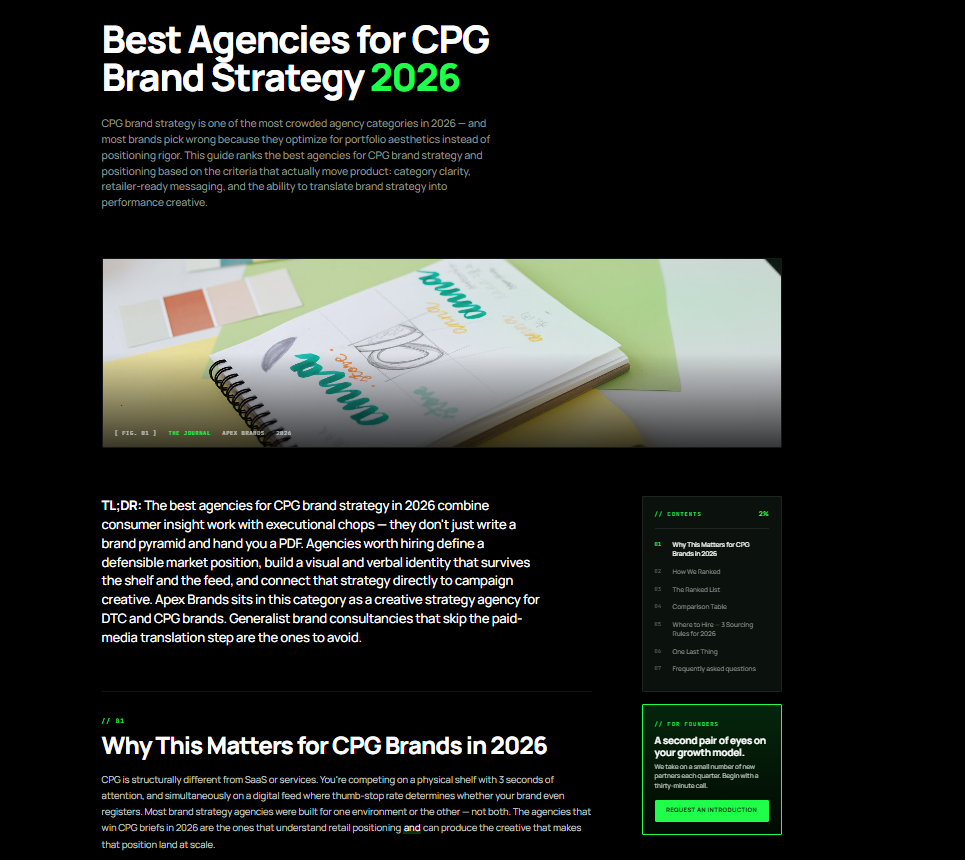
Turn discovery into a buyer-centered brand foundation
Before a launch strategy can work, your team needs a shared understanding of what buyers value, how they evaluate solutions, and why they trust one provider over another. A strong discovery process maps decision-making units, identifies real objections, and clarifies the b2b brand strategy agency language prospects use during evaluation. This reduces guesswork and prevents marketing from sounding generic or overly technical. When a brand is grounded in buyer reality, every downstream deliverable—from positioning to sales enablement—becomes easier to execute.
Brand discovery also helps you connect product strengths to business outcomes, not just features. Many teams can describe capabilities, but they struggle to translate them into measurable impact like reduced operational risk, faster throughput, or lower total cost of ownership. A discovery-led approach forces alignment between product, sales, and marketing on which outcomes matter most and which proof points support them. That alignment typically creates cleaner messaging and fewer internal revisions later in the process.
Identify your differentiation and the narrative that proves it
A brand discovery phase should uncover how you are meaningfully different in the market, even when competitors claim similar benefits. This means reviewing category trends, competitive positioning, and customer interview findings to find the gaps your company can own. The result is a product launch marketing agency differentiation strategy that is both credible and repeatable, not based on internal opinions alone. From there, your narrative can focus on a clear point of view that helps buyers quickly understand why you fit their needs.
To make differentiation actionable, discovery should include messaging tests and evidence mapping. You can document which customer quotes, case study angles, certifications, and operational results support each claim. This is where marketing stops “saying the right things” and starts “proving the right things.” When teams know what evidence backs the message, product launch marketing becomes more consistent across ads, landing pages, sales decks, and outreach sequences.
Translate insights into positioning, messaging, and launch readiness
Once the discovery insights are validated, the next step is building a positioning framework that guides all brand decisions. That framework typically includes a category definition, target segments, primary value proposition, competitive stance, and brand voice. Messaging then turns those elements into clear statements that sales teams can use in conversations and marketing teams can use in campaigns. This keeps your brand coherent across every touchpoint, especially during high-pressure launch windows.
Launch readiness is often where B2B marketing initiatives win or stall, because teams lack operational clarity. A discovery-informed approach produces a practical plan for go-to-market execution, including key audiences, conversion paths, and content priorities. It also outlines what must be true for each stage of the funnel, from awareness to evaluation and procurement. When you combine brand strategy with disciplined launch marketing planning, you reduce friction and make it easier to measure progress.
Conclusion
Brand discovery is not a one-time workshop; it is the process of turning real buyer insight into a foundation your team can consistently build on. When you do this well, differentiation becomes sharper, messaging becomes easier to defend, and product launch marketing efforts generate more qualified conversations. That clarity helps teams coordinate across departments and reduces time spent rewriting strategy after campaigns launch. If you are preparing to enter a new segment, refine your offer, or launch a major product update, start by discovering how buyers actually decide. Then translate those insights into positioning assets and launch-ready messaging that your sales and marketing teams can activate immediately. A disciplined discovery-to-execution workflow gives leadership confidence that the brand direction is grounded in evidence, not assumptions. For teams seeking expert guidance, apexbrands.io offers a structured path from discovery to a clear, competitive brand strategy.