
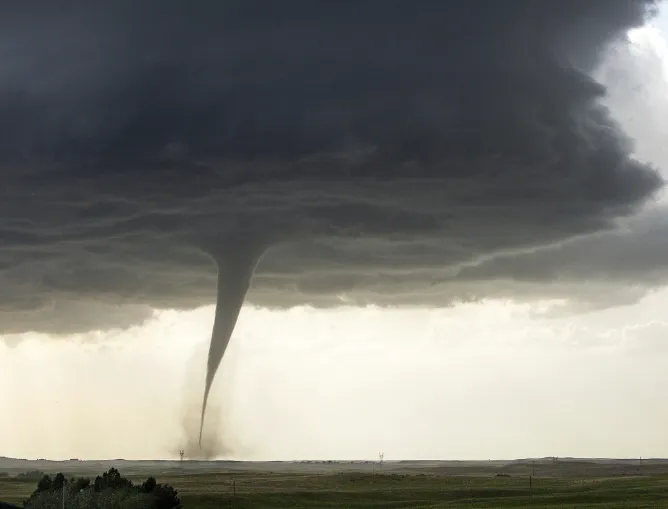
Storm chasing can bring rare views of nature at work, but safety must come first. Good planning helps people enjoy the trip without taking needless risks. Before joining storm chasing tours 2027, travelers should learn basic storm safety, follow trained guides, and stay alert throughout the day. Weather can shift fast across open land. Roads may flood, winds may rise, and visibility can drop in minutes. A safe chase is not about getting close to danger. It is about seeing powerful weather from a smart, controlled distance.
Know The Weather Before Leaving
A safe trip starts before the vehicle moves. Check the forecast, storm outlook, road reports, and local alerts. Tour teams should also explain the planned route and likely weather before departure. Storm systems can change shape, speed, and direction with little warning. Travelers should listen closely when guides change plans. A route that looked safe in the morning may become risky later. Carry water, snacks, needed medicine, and a charged phone. Small steps like these can make a long day easier and much safer.
Follow Your Chase Guide Closely
Experienced guides know how to read storm patterns, roads, and changing conditions. Their advice should guide every decision during the trip. During tornado tours USA 2027, guests may see strong winds, heavy rain, hail, or rotating clouds. None should be treated as a cue to move closer. Stay with the group and follow parking, viewing, and evacuation instructions. Never leave the vehicle without permission. A guide may spot a risk that guests cannot see. Staying calm and following directions can prevent a sudden weather event from becoming a serious problem.
Choose Safe Viewing Locations
The best viewing point is not always the closest one. Distance gives storms room to move and gives people more time to react. Guides often choose locations with clear roads, good visibility, and several escape options. Avoid low areas where water can collect quickly. Stay away from trees, power lines, bridges, and weak structures during severe weather. Cars can also become dangerous if parked in a poor location. A strong viewing plan balances sight, shelter, and road access. In storm chasing, a little extra distance can provide a lot more safety.
Keep Emergency Items Within Reach
A small safety kit can be useful on any long chase day. Pack water, simple food, a flashlight, a power bank, and a first aid kit. Extra clothes may help when rain or cool air arrives without warning. Keep your phone charged and turn on emergency weather alerts when available. Good footwear also matters because stops may involve wet grass, mud, or rough ground. Personal items should stay easy to reach, not buried under bags. Preparation may seem simple, but simple items often matter most when plans change quickly.
Stay Alert During Sudden Changes
Storm conditions can shift in moments. Dark skies may be followed by strong wind, heavy rain, hail, or sudden drops in visibility. Guests should watch their surroundings and listen for updates from the guide. Do not become distracted by cameras or phones when conditions turn rough. Photos can wait. Safety cannot. If the group moves, move with it. If a guide asks everyone to return to the vehicle, do so at once. A calm response helps the whole group stay organized, especially when several weather hazards appear at the same time.
Respect Storms And Local Roads
Storm travel also means respecting local people, roads, and emergency crews. Never block traffic while stopping to watch a storm. Keep driveways, crossings, and emergency routes clear. Local drivers may need to leave an area quickly, especially when warnings are active. Good storm chasing tours in 2027 should place safety above a dramatic view. Travelers should also respect private land and posted signs. A memorable trip does not need to create problems for others. Careful road habits, patience, and basic courtesy help keep storm travel safer for everyone involved.
Conclusion
Safe storm travel depends on smart choices before, during, and after each chase. Weather can be thrilling, but it can also change without warning. Travelers should follow trained guides, keep emergency items close, respect road rules, and stay ready to move when conditions shift. The goal is not to chase danger. It is to witness nature while keeping people protected. For clear planning and guided storm experiences, stormchasing.com can help travelers learn more before choosing a trip. A careful approach makes the journey more useful, calmer, and far more rewarding.