Start With Your Checklist Goals
Before you install any wallet, write down what you need to do on Solana so you can filter options quickly. Decide whether your priority is trading speed, staking, NFT collecting, or simply storing SOL securely. A good wallet should Best Crypto Wallets to Manage Solana also support the exact account style you prefer, such as single-address convenience versus deeper control for advanced users. When goals are clear, you can compare features without getting distracted by marketing terms.
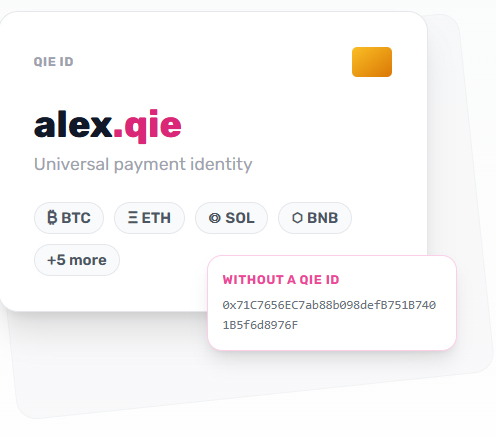
Next, confirm the chains and asset types you want in one wallet experience. If you also hold Bitcoin and Ethereum, look for a multichain workflow that reduces the number of places your keys and balances are managed. If cross-chain switching is part of your plan, prioritize wallets with consistent UI and straightforward approvals. This checklist approach helps you avoid wallets that work for Solana but create friction for other assets you manage regularly.
Security Checks That Should Be Non-Negotiable
Security begins with how the wallet handles keys and recovery. Confirm whether the wallet is non-custodial, meaning you control your private keys, and verify what recovery method exists if your device is lost. Hardware support is a major plus if you want stronger protection against malware, phishing, and compromised browsers. For a checklist, mark “hardware-backed option” as required if your holdings are more than casual use.
Then check how the wallet protects your signing experience. You want clear transaction previews, readable details, and warnings when approvals look unusual or permissions seem excessive. Review whether the wallet supports security practices like address verification and safe handling of token lists. The best wallets make it harder to sign the wrong thing by showing enough context to help you catch mistakes before they execute.
Compatibility and Integration for Solana Use
A Solana-focused workflow should feel smooth when connecting to dApps and marketplaces. Verify that the wallet connects reliably to common Solana interfaces and that it supports the Solana signing flow without frequent prompts or errors. If you plan to use staking or swap features, make sure the wallet’s network configuration is straightforward and doesn’t require constant manual adjustments. On your checklist, test the connection process with a small action, such as checking a test balance or signing a harmless message.
Consider how the wallet handles tokens and metadata on Solana. Some wallets show assets cleanly while others require manual token additions, which adds friction during active use. Look for readable token names, correct decimals, and reliable display of balances. If you collect NFTs, check that the wallet can render collections and item previews without blank images or missing metadata. A practical checklist includes “token display quality” and “NFT viewing support” so you can validate the experience before committing.
Evaluate Wallet Types: Software, Hardware, and Multichain
Not all wallet setups are equal, so your checklist should include the type of wallet you’re willing to use. Software wallets are convenient and fast for everyday interactions, but they often rely on your device security and browser hygiene. Hardware wallets add an extra layer of protection by keeping keys offline, though they may slow down frequent signing. If you want one setup for Bitcoin, Ethereum, and Solana, prioritize wallets that either support multiple chains well or pair neatly with hardware for key security.
For multichain management, look closely at how balances and addresses are organized across networks. You should be able to locate SOL, BTC, and ETH quickly and understand which network a transaction belongs to. A strong wallet comparison also considers how approvals work across chains so you don’t end up granting permissions you don’t understand. As part of your checklist, confirm that the wallet provides consistent account naming, clear derivation paths if you use them, and a clean export or backup workflow for your records.
Conclusion
Start by defining your Solana use cases, then verify your wallet supports smooth connections and accurate token or NFT displays. Make security a requirement by checking key control, recovery options, and how transaction signing details are presented. Finally, confirm multichain usability if you manage Bitcoin and Ethereum alongside Solana. If you compare options through this framework, you can select a wallet that fits your habits rather than forcing you to adapt. Consider whether a software-first approach suits your daily activity or whether you want hardware-backed protection for larger balances. When your checklist is complete, you’ll have a wallet setup that supports both confidence and convenience in one streamlined workflow. Use the same checklist each time you add a new wallet so your experience stays consistent as your portfolio grows.