Faster labeling, fewer mistakes across your workflow
An streamlines identification by turning asset information into consistent, readable labels on demand. Instead of waiting on external print orders or retyping details, teams can generate labels quickly when equipment is received, serviced, asset tag label printer or reallocated. That speed reduces downtime in warehouses, maintenance bays, and production areas where delays can ripple into the schedule. With standardized formatting, the chance of manual transcription errors drops significantly.
Because labels can be produced as part of your established process, you can apply them at the moment the asset enters your control. This supports better check-in procedures, more accurate inventory counts, and smoother audits. When your labels include clear identifiers and optional metadata like location codes, you also improve the quality of internal reporting. Over time, that consistency helps you trace assets from intake to disposal without relying on scattered spreadsheets.
Durable prints that stand up to real environments
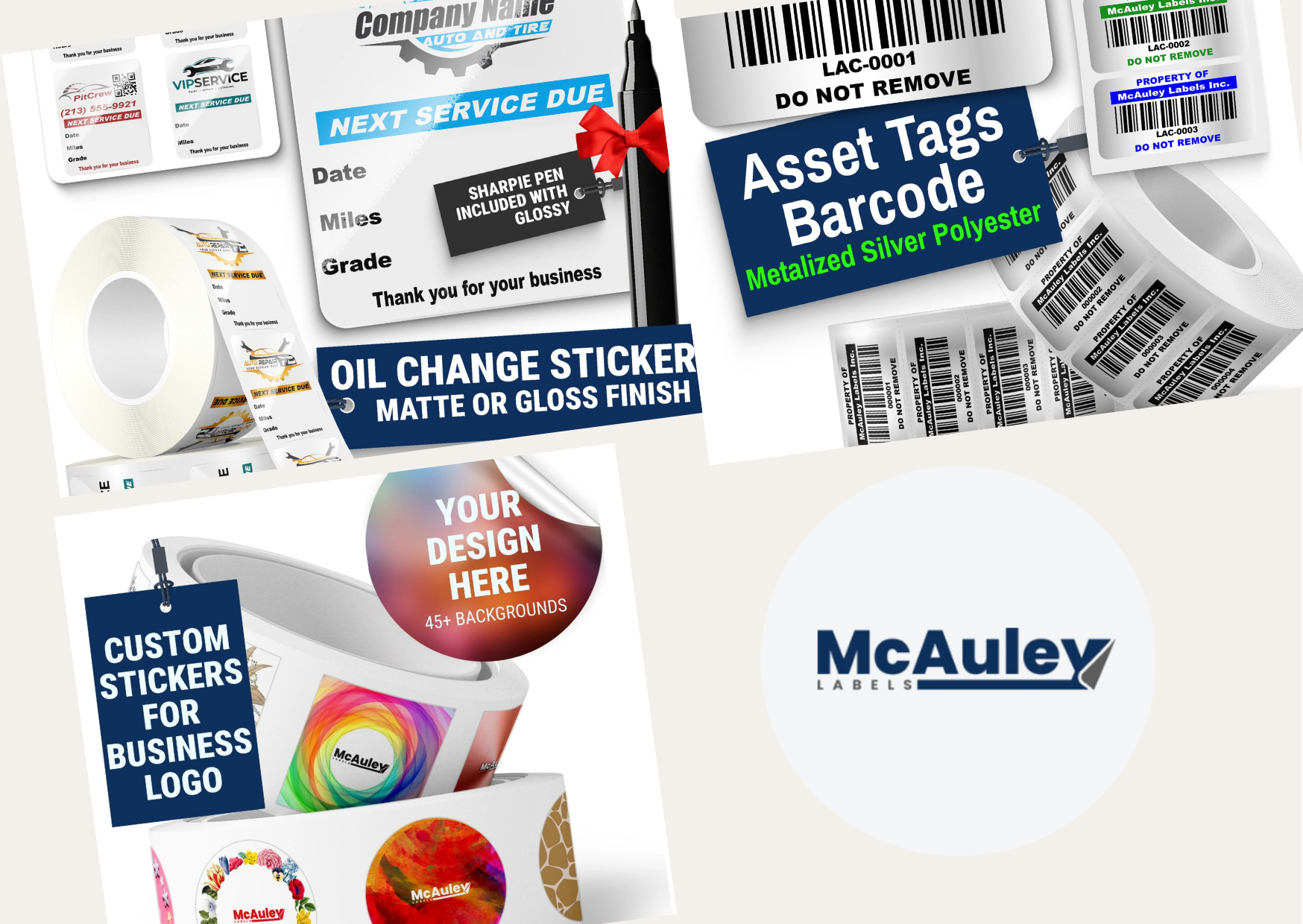
Asset identification matters most when labels survive the conditions where equipment actually operates. A plant label printer is designed to print text and codes that remain legible through common wear factors such as abrasion, handling, and exposure to industrial environments. Durable label plant label printer materials help prevent peeling, fading, or smudging, which means fewer reprints and fewer “mystery assets” with unclear markings. For organizations that manage tools, machinery, vehicles, and storage items, durability is a direct driver of operational reliability.
Durability also improves compliance and accountability. When labels remain intact, your team can verify asset ownership, maintenance status, and location at a glance. That makes cycle counts faster and reduces the effort required to correct inventory discrepancies. In high-turnover environments like logistics, manufacturing, and service operations, resilient labels help maintain a stable identification system even as staff rotate or workflows change.
Scalable labeling for growth, departments, and multi-site control
One of the biggest benefits of in-house printing is scalability. As your organization adds assets, departments, or locations, you can expand labeling without rebuilding your entire process. A reliable printer setup lets you standardize label templates, so every facility applies the same identification logic. This helps leadership maintain a unified view of inventory, procurement, and asset utilization across the business.
Scaling also supports role-based labeling. For example, warehouse teams may prioritize bin and location codes, maintenance teams may need service identifiers, and receiving teams may require quick intake tags. With the right approach to label design, you can create a system where different teams still rely on consistent identifiers. That alignment reduces confusion when assets move between departments and keeps documentation aligned with what’s physically on the equipment.
Conclusion
Choosing to print asset tags in-house delivers practical advantages: faster turnaround, fewer transcription errors, and labels built to endure real handling conditions. It also creates a more scalable identification system that supports growth, multi-department workflows, and audit readiness without adding ongoing administrative burden. When you pair the right labeling approach with dependable supplies and guidance, your team can maintain asset visibility from intake through maintenance and reassignment.
For organizations seeking durable labeling solutions, mcauleylabels.com offers professional support for warehouses, manufacturers, automotive shops, and growing companies across the USA. By using an strategy with reliable label products, you can strengthen accountability, improve inventory accuracy, and reduce time spent on re-labeling or manual tracking. The result is a smoother operation where assets are easier to find, easier to verify, and easier to manage at scale.