Modern dog feeders make it easier to keep your pet on a consistent routine, manage portion sizes, and ensure fresh water is always available. With the right combination of feeder and waterer, you can improve your dog’s comfort, digestion, and overall daily experience while also making mealtimes more convenient for your household.
Why Dog Feeders Matter for Your Pet’s Routine
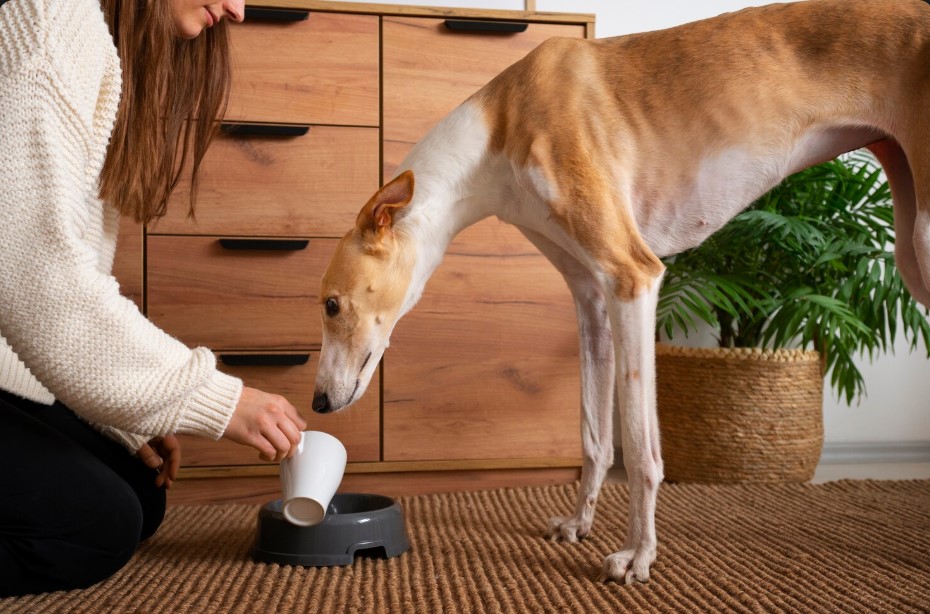
A well-chosen dog feeder helps control how much and how often your dog eats, which is important for pets that tend to overeat or are on a weight‑management plan. Consistent portioning can reduce the risk of obesity, bloating, and digestive discomfort. Elevated designs can also help larger dogs eat more comfortably and reduce strain on their neck and joints.
When paired with a good watering system, a dog feeder supports a predictable daily rhythm: your dog knows where and when food appears, which can reduce anxiety and begging behavior. For busy pet parents, automated or gravity‑based feeders provide a backup when schedules are tight, making it easier to keep feeding times regular even on hectic days.
Dog Feeder and Water Combinations
Many pet parents prefer a combined dog feeder and water setup to keep everything organized in one place. These combo units typically include a food reservoir and a matching water container, sometimes in a single base. The main advantage is convenience: you can refill both at once and keep your dog’s eating and drinking area neat and easy to clean.
A dog feeder and water station is especially helpful in multi‑pet homes or in smaller spaces where you want to limit clutter. Some designs include non‑slip bases, splash guards, or raised stands to keep spills under control. When choosing a combo unit, look at the overall capacity, the material (plastic, stainless, ceramic), and how easy it is to disassemble for cleaning, since hygiene is critical for both food and water areas.
Types of Dog Feeders
Dog feeders come in several styles, each suited to different dogs and households.
- Basic bowl‑style feeders are simple and easy to use, ideal for dogs with stable eating habits and owners who are home at meal times.
- Gravity feeders automatically drop kibble into the bowl as your dog eats, keeping the dish topped up throughout the day for free‑feeding pets that do not overeat.
- You can also find slow‑feed bowls with ridges or maze patterns to slow down dogs that eat too quickly, helping reduce gulping and the risk of bloat.
- Programmable automatic dog feeders go a step further by dispensing pre‑set portions at specific times, which is useful for dogs on strict feeding schedules or for owners who work long hours.
Matching your dog’s temperament and health needs to the right feeder type improves both safety and convenience.
Dog Water Dispenser Options
A good dog water dispenser ensures your pet has access to fresh water all day, which is essential for hydration, kidney function, and temperature regulation.
Gravity waterers refill the bowl automatically from a larger reservoir, making them ideal for busy owners or multi‑pet homes. They require no power and only need periodic cleaning and refilling.
Fountain‑style dispensers continuously circulate water through a filter, which can encourage picky drinkers to consume more because many dogs prefer running water.
A quality dog water dispenser should be easy to take apart, wash, and reassemble, since standing water and dirty bowls can quickly lead to bacteria buildup. Checking capacity, filter availability, and noise level helps you pick a model that fits your home and your dog’s preferences.
Dog Water Feeder and Hydration Habits
A dog water feeder helps maintain consistent water levels and supports your dog’s natural drinking habits. For dogs that spend time alone during the day, a large reservoir ensures they never run out, even in hot weather. Some water feeders are designed for crate use or travel, attaching to the side to prevent spills while still allowing easy access.
Hydration needs vary based on size, age, activity level, and climate, so it is important to monitor how much your dog drinks with any system. If you notice sudden changes in drinking behavior, either much more or much less, talk to your veterinarian. The right dog water feeder, combined with regular cleaning and observation, can significantly improve your dog’s overall comfort and health.
How to Choose the Best Dog Feeders and Waterers
When choosing dog feeders, start by considering your dog’s size, eating style, and daily routine. Large or deep‑chested breeds may benefit from elevated stands, while small dogs often do best with shallower bowls. For dogs that inhale their food, a slow‑feed design can be safer and more comfortable. If your schedule is irregular, an automatic feeder that controls portions and timing can be especially helpful.
For drinking solutions, think about capacity and ease of cleaning. Households with multiple dogs may need larger water dispensers or multiple stations to prevent competition. Look for sturdy materials that do not tip easily and surfaces that are simple to wash, since clean feeders and waterers reduce the risk of stomach upsets and skin irritation around the muzzle. Matching your choices to your dog’s real behavior instead of just appearance leads to better long‑term results.
Maintenance and Hygiene Tips
- Even the best feeder or dispenser will cause problems if it is not cleaned regularly.
- Wash bowls, feeder trays, and water reservoirs with warm, soapy water several times a week, and more often if you feed wet food.
- Rinse thoroughly to remove any soap residue, which can affect taste and discourage your dog from eating or drinking.
- Check moving parts on automatic feeders and fountain‑style water dispensers to ensure they work smoothly.
- Replace filters as recommended by the manufacturer, and inspect plastic parts for cracks or wear that could harbor bacteria.
- A consistent cleaning routine keeps your dog’s feeding area sanitary and supports better digestive and overall health.
FAQ’s
1. Are dog feeders safe for dogs that overeat?
Basic gravity dog feeders are not ideal for dogs that overeat, because they keep food available all day. In that case, an automatic feeder with portion control or a standard bowl with scheduled meals is safer and helps prevent obesity.
2. How often should I clean my dog feeder and water dispenser?
Food bowls and trays should be washed at least a few times per week, and daily if you feed wet food. A dog water dispenser or dog water feeder should be emptied, cleaned, and refilled regularly to prevent slime and bacteria buildup.
3. Is a dog feeder and water combo better than separate bowls?
A combined dog feeder and water station is convenient and keeps your dog’s eating area organized, but separate bowls can offer more flexibility in placement and size. The best choice depends on your space, cleaning routine, and how many pets you have.
4. Are automatic dog feeders good for all dogs?
Automatic dog feeders work well for dogs that eat measured portions calmly and do not try to break into the feeder. They are especially useful for owners with busy schedules. However, very food‑motivated or destructive dogs may require supervision or more robust designs.
5. What should I look for in a dog water dispenser for large breeds?
For large dogs, choose a dog water dispenser or dog water feeder with a high capacity, a stable base, and durable materials that resist tipping. Make sure the bowl is wide enough for comfortable drinking and easy to clean so you can maintain good water quality.