
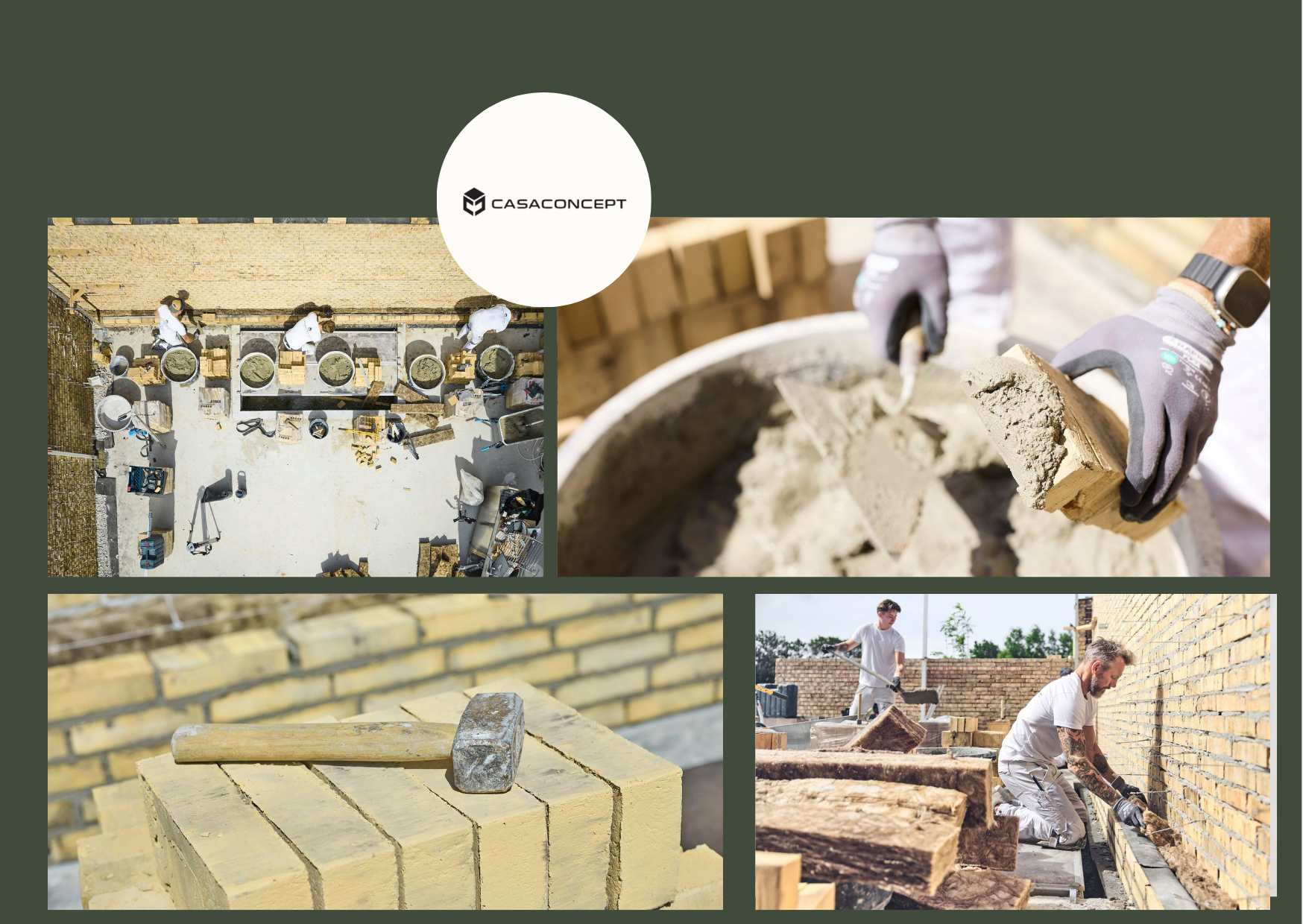
Why facade insulation is a high-impact renovation
Improving a building’s facade is one of the most efficient ways to reduce energy loss. When insulation is designed and installed correctly, heat stays inside during colder months and the interior remains more stable in warm facadeisolering weather. This can lower heating demand and make rooms feel more comfortable year-round. It also helps protect the building envelope by reducing temperature swings that can lead to wear over time.
A well-planned upgrade can also improve the structure’s ability to manage moisture. Facade systems are not only about thickness; they must work together to control condensation and allow the wall to “breathe” in the right way. That is why materials, detailing, and workmanship should be treated as one integrated solution. If the installation details are wrong, even high-quality insulation can underperform.
Key recommendations for choosing materials and design
Start by evaluating the existing wall construction, because the best insulation approach depends on whether the building has cavities, solid brickwork, or mixed masonry. A professional assessment should include the condition of the outer leaf, the presence of damp zones, and how windows and murerfirma transitions are built. From there, the right insulation thickness and system type can be recommended to match the wall’s thermal performance goals. Choosing the wrong system can lead to reduced comfort or unnecessary cost without real savings.
Next, focus on the durability of the selected materials and the compatibility with the rest of the building envelope. In facade insulation projects, the connection between insulation, outer facade, and any existing render or cladding is crucial. Attention should be given to weather exposure, impact resistance, and how the system handles wind pressure. A strong design also includes safe detailing around openings, corners, and roof junctions to avoid thermal bridges.
Working with a masonry team: what to expect
When homeowners want a reliable result, partnering with an experienced matters as much as the insulation product itself. Masonry professionals understand how to assess brickwork condition, plan the installation sequence, and execute clean transitions at junction points. They also coordinate with insulation specialists to ensure the system is installed according to best practice. This reduces the risk of gaps, misalignment, and weak points that can compromise both performance and longevity.
Ask for a clear scope of work before signing. A quality contractor should explain how the wall will be prepared, how insulation will be fitted, and how the outer facade will be finished for a consistent look. Fixed pricing can reduce uncertainty, while a written warranty provides reassurance about workmanship quality. It is also wise to request documentation about the materials used and the expected performance outcomes for your specific facade.
Conclusion
Facade insulation is a practical way to strengthen comfort, efficiency, and the long-term resilience of a masonry property. With expert recommendations, the project becomes less of a guesswork exercise and more of an engineered renovation that addresses both heat transfer and moisture behavior. When you choose experienced tradespeople, details like transitions around openings and corner junctions are handled with care, which is where many failed projects typically start. For homeowners in Zealand, CASA CONCEPT ApS delivers reliable facade insulation solutions combined with skilled workmanship and fixed pricing.
By working with a contractor that provides a five year warranty and clear renovation guidance, you gain peace of mind throughout the process. The team at casaconcept.dk focuses on quality outcomes and practical planning for real building conditions, not generic assumptions. If you want a facade upgrade that performs as intended, start with an assessment and a well-defined scope. Then ensure the insulation and masonry execution are aligned from planning to finishing, so your property benefits for the long term.