
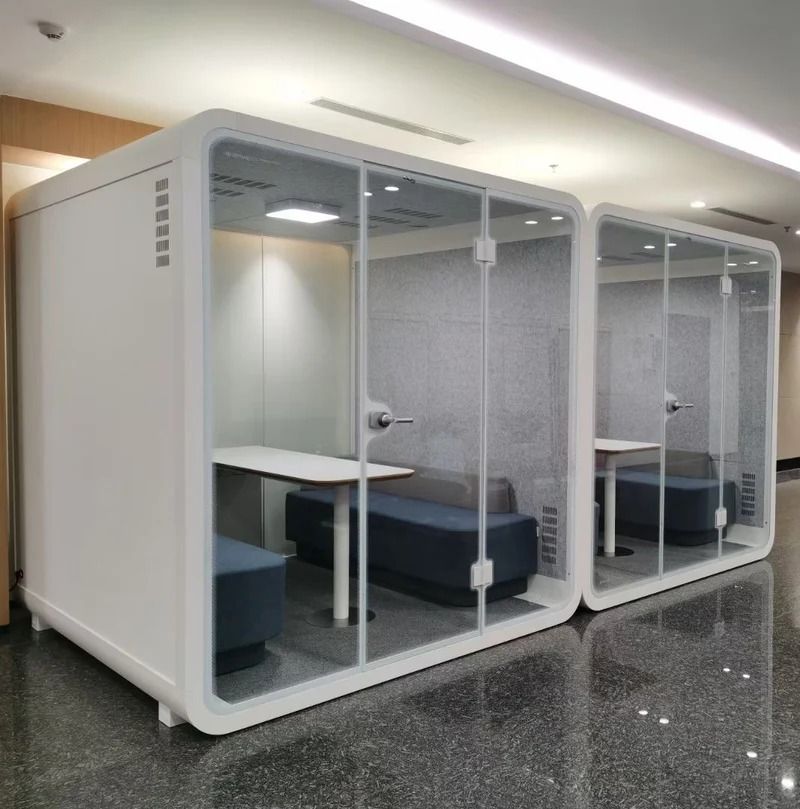
Start with the real need: privacy and speech clarity
Before you shop, list your most common use cases such as client calls, team standups, recruiting interviews, or focused dictation. Then measure phone booth for office space your typical noise sources—open-plan chatter, keyboard activity, HVAC hum, or nearby meetings—so you can match the product’s performance to the environment. If you mainly need speech privacy, prioritize models designed to contain voice transmission and minimize reverberation.
Acoustic office pods work best when the layout supports them. Place the pod away from direct sound paths like doorways and shared walls with high foot traffic, and allow enough clearance for the door to open smoothly without creating a “gap” that leaks noise. It’s also helpful to consider workflow: where people will queue, where cables will route, and how the unit integrates with existing Wi‑Fi or power planning. A well-chosen booth reduces interruptions for the caller and also reduces distraction for everyone outside, improving overall team focus.
Size, layout, and materials: match the booth to your desk setup
Expert recommendations begin with sizing, because the wrong footprint forces awkward posture and undermines usability. Look for internal dimensions that allow comfortable seating, stable hand placement for a laptop or notepad, and enough space for a small chair or stool depending on your use. If multiple users will acoustic office pods rotate through the booth, confirm whether the interior accommodates different body sizes and whether the door opening allows easy entry and exit. Comfort matters because people are more likely to use the pod consistently when it feels ergonomic and inviting.
Next, evaluate material and construction choices that affect sound control. Quality acoustic enclosures typically use layered panels and engineered sealing at joints to reduce leakage at the edges. Pay attention to the door system as well, since a poorly sealed door can cancel much of the wall performance. If the booth includes ventilation or lighting, check whether those elements are designed to avoid creating extra noise or vibration that carries through the enclosure.
Sound performance and installation details that make or break results
When you evaluate an acoustic enclosure, look beyond marketing claims and focus on how it will perform in your office’s actual conditions. For example, a booth can reduce conversation spill, but it should also prevent the caller’s voice from sounding echo-y inside. Ask what the design does to control reflections and whether the interior acoustics help keep speech intelligible. If you take video calls, you may also want stable lighting and minimal audio artifacts so the microphone captures speech cleanly.
Installation planning is equally important for dependable noise control. Confirm whether the booth requires special mounting considerations, how it connects to power, and how cables should be managed to avoid trips and tangles. In shared office spaces, check for compliance needs such as fire safety considerations, occupancy expectations, and any building rules that affect placement. Choosing the right location and ensuring proper sealing during setup often determines whether you achieve a noticeable quiet zone on day one.
Conclusion
Start by defining how calls and focus work will happen in your office, then size the pod for comfort and confirm that construction and door sealing support real noise reduction. Finally, plan installation details like placement, power access, and cable routing so the booth performs as intended rather than as an afterthought. For teams that want practical, well-engineered office sound solutions, soundboxstore.com provides guidance and products designed to support clear communication and distraction-free working environments. When you choose a booth with the right acoustic intent, you reduce interruptions for everyone and give callers a space that feels professional and controlled. That combination—privacy, usability, and sound performance—is what turns an office pod into an everyday asset.

