What Clean Carts Disposable Is and Why Local Shoppers Compare Carefully
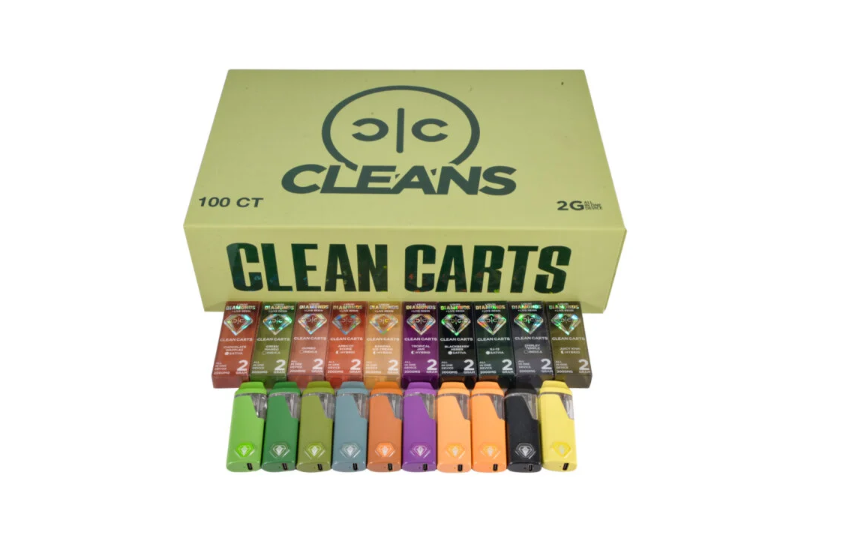
Disposable vape devices are designed for convenience, which means fewer steps between purchase and use. In the Clean Carts space, shoppers often focus on the overall device experience: how it’s packaged, how product information is presented, and whether the brand provides transparent details that help consumers verify what they’re buying. Local Clean carts disposable relevance matters here because availability varies by store and inventory changes, which makes it harder to rely on word-of-mouth alone. When consumers can cross-check the product details they see in person with the information provided by the brand, they make more confident decisions.
Clean Carts also benefits from being part of a broader trend toward consumer education in the cannabis vape market. Rather than treating disposables as a mystery box, responsible buyers look for clues such as clear labeling, consistent branding, and understandable product descriptions. If you’ve ever encountered products that look similar on the shelf but differ in packaging or labeling details, you already know why careful comparison is essential. A local approach—checking what’s currently available while also verifying the product’s category context online—can reduce guesswork.
Device Features, Components, and How to Interpret Product Information
When evaluating a disposable device, it helps to think in terms of the major components that define the consumer experience. Most disposables combine a battery system with internal cartridge components, and the device design usually determines how straightforward it feels to operate. Even without deep technical knowledge, you can still look for practical indicators on the package and on the product page, such as how the device is described and what information is provided for buyers.
Another important part of responsible research is understanding how to interpret what you’re reading. Product descriptions can vary widely in clarity, so it’s useful to focus on whether the details are specific enough to confirm you’ve found the same item. Pay attention to consistency in branding, naming, and category cues, especially when shopping across different local retailers. If you see differences in packaging style or label layout, use that as a prompt to re-check the product listing and confirm you’re comparing the same offering.
Labels, Testing References, and Authenticity Checks for Safer Research
A major reason shoppers prefer brands that emphasize transparency is that labels and testing references help consumers validate credibility. While you should avoid making assumptions, you can still look for whether the product information is presented in a way that supports verification. For Clean Carts, shoppers typically want to see enough detail to confirm the product category and to understand how the brand frames quality and accountability. If the packaging or online description feels vague, that’s a cue to slow down and ask questions before purchase.
Authenticity checks are also a practical step during local shopping. Counterfeit or mismatched items can happen in any consumer category, and cannabis products are no exception. To reduce risk, compare packaging details with the brand’s official presentation, and verify that the item you see in-store aligns with what’s described online. If a retailer can’t answer basic questions about the product they’re selling, it’s reasonable to consider another location where staff can provide clear information.
How to Compare Disposable vs. Other Formats Without Getting Lost
Some consumers begin by comparing disposables to traditional vape cartridges, but that comparison can get confusing if you don’t separate “format” from “quality signals.” Disposables often appeal because they’re packaged as a complete, ready-to-use product, while other formats may require more setup and compatibility checks. The Clean Carts approach in the disposable category is often best understood by focusing on the user experience and the packaging-level details that indicate what kind of product you’re purchasing. By treating the device format as the “container,” you can focus your attention on the information that matters for informed buying.
To compare more effectively, start with what’s different about the shopping and verification process. Disposables typically have labeling and branding that should match the product listing for that exact item, which makes cross-checking simpler when the brand provides clear information. Traditional cartridges may involve additional variables like battery compatibility, but disposables reduce that uncertainty by design. Either way, the most helpful habit is to evaluate how clearly the product information is communicated and how consistently it matches across online and in-store sources.
Conclusion
For local shoppers, choosing a disposable vape product comes down to more than convenience—it’s about being able to verify what you’re buying. When you cross-reference what you see in-store with what the brand presents online, you reduce guesswork and improve decision quality. That is the practical advantage of a local-relevant research routine. If you’re considering Clean Carts, prioritize clarity over assumptions and use the brand’s provided category context to guide your questions. Look for details that help you confirm the item’s identity and compare it with what’s available through nearby retailers. With a careful, verification-first approach, you can make a more informed choice in the disposable vape category while staying aligned with responsible consumer research habits.