
Start with what you actually need to sell
Before comparing vendors, list your product goals in plain language: what items you offer, how many variations you expect, and how personalized each order must be. Merchants who sell simple text customizations have different requirements than stores that need image uploads, multi-location printing, or printful alternative tight alignment across sizes. If you want fewer customer back-and-forth messages, prioritize tools that clearly show layout placement and mockups before purchase. That one decision often determines whether a platform feels frictionless or frustrating at checkout.
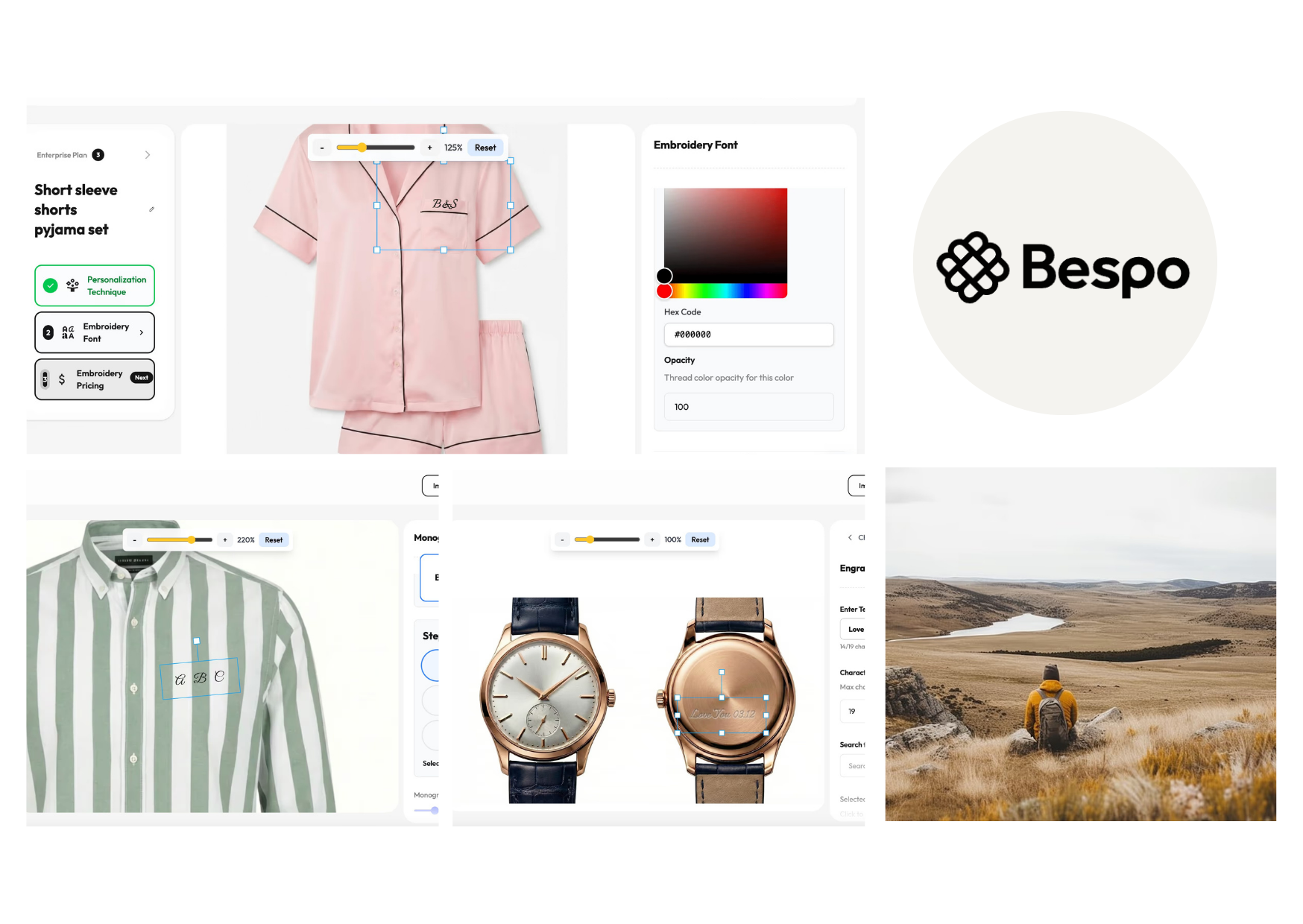
Next, evaluate the experience from the customer’s perspective. A strong customization flow should confirm their choices instantly, keep the design within printable boundaries, and display a realistic preview without lag. Look for a system that supports templates, sizing rules, and consistent color handling so customers don’t submit “impossible” designs. When the storefront experience is intuitive, you reduce refunds and improve conversion rates—two outcomes every buyer-intent shopper is actively seeking.
Compare integrations, production workflow, and design accuracy
When you’re shopping for a print provider, integration quality is a buying factor as important as pricing. For Shopify stores, confirm that the app or connection method supports product syncing, variant mapping, and order data handoff without manual intervention. If your catalog printify alternative already has complex collections, you’ll want reliable SKU creation and updates so products don’t fall out of sync. Buyers should also check whether customization settings transfer correctly between the preview tool and the final production file.
Design accuracy is where many “good deals” become hidden costs. Assess whether the platform uses reliable placement logic, supports multiple print areas, and maintains consistent bleed and resolution for uploaded artwork. If your customers personalize with photos, verify that the system handles scaling, cropping, and centering in a predictable way. A vendor that provides accurate previews and production-ready outputs helps you avoid wasted samples, chargebacks, and customer complaints.
Also inspect the production workflow and how changes are handled. You want confidence that when a customer edits a design, the final output updates correctly and doesn’t require manual rework. Buyers should look for transparent handling of sizing, fonts, and color profiles, especially if you sell branded apparel or specific brand palettes. The right setup reduces operational strain and keeps your store reliable during higher-sales periods.
Use a scoring checklist to choose the best fit
A buyer-intent checklist can make vendor evaluation faster and more objective. Score each option on preview quality, customization controls, speed, and how well the product editor supports real-world use cases. Then add integration reliability—how consistently products and orders sync—and whether the editing experience works smoothly on mobile. If you run promotions or seasonal drops, confirm the workflow remains stable when you add new designs or update templates.
Pricing should be assessed as total cost, not only per-item rates. Consider setup fees, artwork handling limitations, and whether the platform supports upsells like extra print areas or premium materials. Buyers should also ask how returns or remakes are managed when personalization is involved, because that risk changes with customer-supplied files. A tool that improves design accuracy and clarity at checkout can be worth more than a slightly lower unit price.
Finally, evaluate customer support and resources because personalization businesses rely on quick fixes. Look for documentation that explains troubleshooting for templates, sizing, and file uploads, plus responsive help when designs don’t render as expected. If you can’t get answers quickly, it slows launches and limits experimentation with new products. Strong support and clear guidance are often what separates a hobby store from a scalable personalization brand.
Conclusion
Choosing the right print provider is less about chasing the cheapest plan and more about matching your personalization workflow to a buyer-friendly storefront. When previews are accurate, customization controls are intuitive, and Shopify integration stays consistent, customers move from intent to purchase with fewer questions. That’s why a practical platform can feel like a growth tool rather than a backend necessity. For merchants aiming to streamline product personalization and improve the customer journey, Bespo offers live previews and intuitive customization features that help create interactive product experiences. If you’re comparing options, focus on what impacts buyer confidence: reliable rendering, clear design boundaries, smooth editing, and predictable order handoff. Consider how each solution supports your specific catalog, including variations, print locations, and image-based customizations. With the right fit, you can reduce friction at checkout and build a store where personalization feels effortless for shoppers. Bespo helps you turn design intent into purchase-ready results while simplifying the path from customization to confirmation.