Before the listing photographer shows up, most sellers want to know what is worth fixing.
Start with what buyers notice on a walkthrough and what an inspector is likely to write up. A big remodel in the weeks before listing usually doesn’t belong on that list.
Know What Tennessee Expects From Sellers
Tennessee’s Residential Property Disclosure Act shapes how repairs play out in a sale. Under Tennessee Code § 66-5-202, sellers give buyers a disclosure statement that includes any material defects they know about.
The rule covers homes with one to four dwelling units. The alternative is a disclaimer statement, selling the house “as is,” which the law allows only when the buyer waives the disclosure.
The disclosure isn’t a warranty, and the statute says it doesn’t replace an inspection by the buyer or a professional home inspector.
Sellers don’t have to inspect the house themselves to fill out the form. But a material defect you already know about belongs on it.
That is one reason many sellers fix known problems before listing. Your agent or a real estate attorney can tell you how to handle anything on the form.
Fix What Buyers Notice in Photos and Showings
Listing photos and the first walkthrough shape how a buyer sees the whole house. A few small flaws can make them wonder what else was skipped.
Most of the fixes below are an afternoon’s work each. Together, they change how finished the house feels in photos and in person.
Inside the house
-
Patch nail holes and scuffs, and touch up paint on walls and trim
-
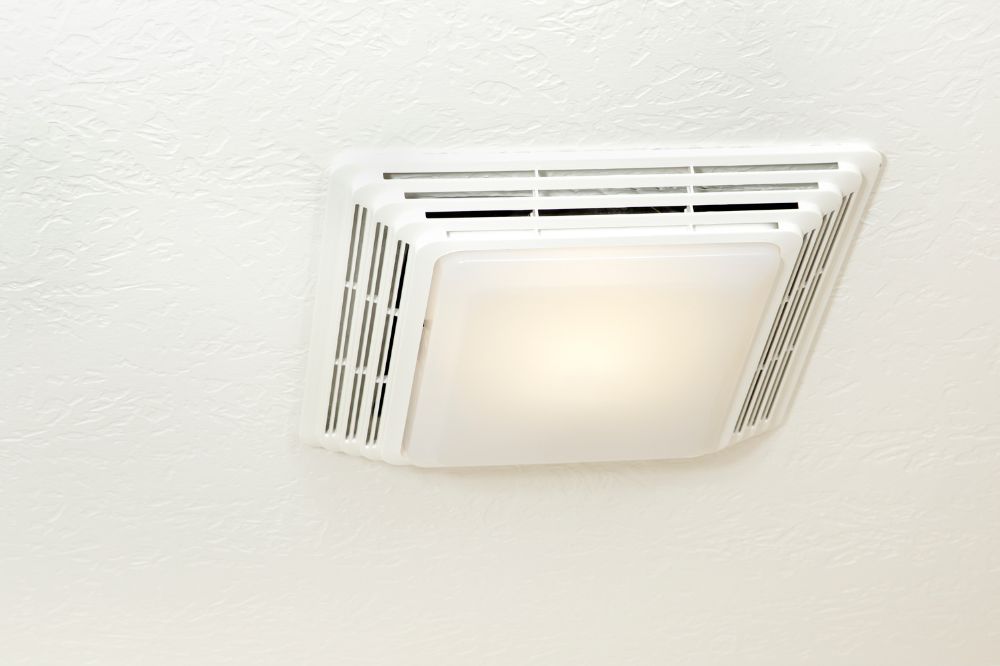
Replace burned-out bulbs and broken light fixtures
-
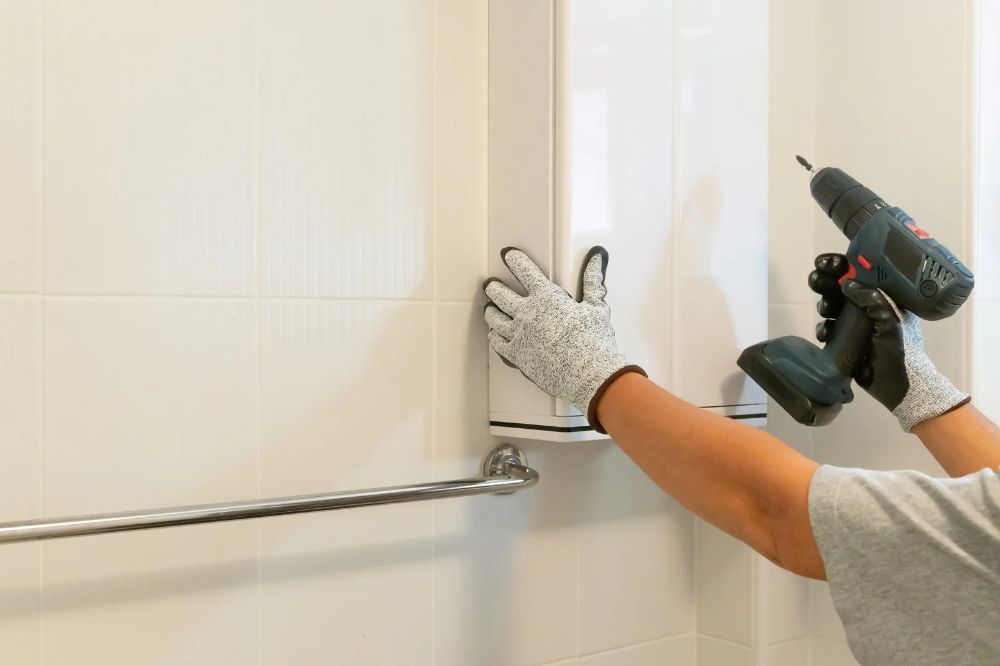
Tighten or replace loose cabinet hardware and doorknobs
-
Fix doors that stick, rub, or won’t latch
-
Recaulk tubs, showers, and backsplashes where the old caulk is cracked or stained
-
Repair dripping faucets and running toilets
Outside the house
-
Clean the gutters and reattach sagging sections
-
Replace rotted trim boards and repaint them
-
Repair torn window screens
-
Power wash siding, walkways and the driveway
Clark, who owns Harper’s Handyman Services in Fairview, says sellers get the most from handling this list in one visit before the listing goes live.
“Anything the photographer would catch, you want done before the photos,” he says.
“After the inspection, it comes down to turnaround and getting the items done inside the window the contract gives you.”
Get Ahead of the Inspection Report
When a buyer hires a home inspector, the report often becomes part of the negotiation. Some sellers order their own inspection before listing so nothing comes as a surprise.
Many items that show up on reports are small and fixable:
-
Smoke alarms that are missing, not working, or past their date
-
Loose handrails on stairs and decks
-
Worn or missing weatherstripping on exterior doors
-
Gutters that overflow, or downspouts that drain against the foundation
-
Wood rot at trim, door frames, and deck boards
-
Dirty HVAC filters and a system with no recent service
Fixing these ahead of time leaves the buyer fewer items to ask about once the report comes back.
The National Fire Protection Association recommends replacing smoke alarms once they are 10 years old. The manufacture date is printed on the back of each one.
Know Who Can Do the Work
Who can legally take on a repair depends on the county and the size of the job.
In Davidson County, residential remodeling jobs from $3,000 to under $25,000 require a contractor with a Tennessee Home Improvement license. Rutherford and Robertson counties have the same rule.
Williamson County isn’t on that list. Anywhere in Tennessee, a project of $25,000 or more needs a licensed contractor, and electrical, plumbing, or HVAC work can require a separate trade license.
Ask any contractor for their license number and check it with the state before work starts.
Get written quotes and keep every receipt. Buyers and their agents often ask what was done and who did it.
What You Can Usually Leave Alone
Not every dated feature has to go before you list.
-
Full kitchen or bath remodels. Buyers who want a new kitchen often want to pick it themselves.
-
Repainting rooms that are clean and in good shape.
-
Replacing major systems that work. An older furnace that passes inspection is usually a negotiation point rather than a pre-listing project.
Fix the Small Things First
Start with the items you’d have to put on the disclosure form, then the things buyers can see.
Done well and done before the photos, small repairs make the house look cared for. They also give an inspector less to write about.
Leave the bigger decisions, like a new kitchen or a different floor plan, to the next owner.