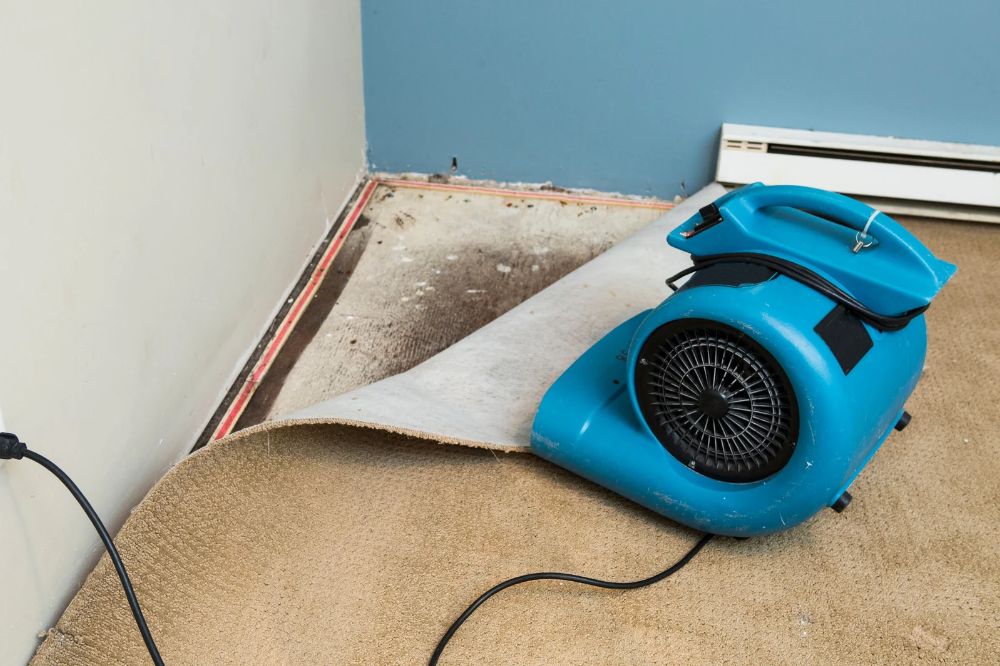
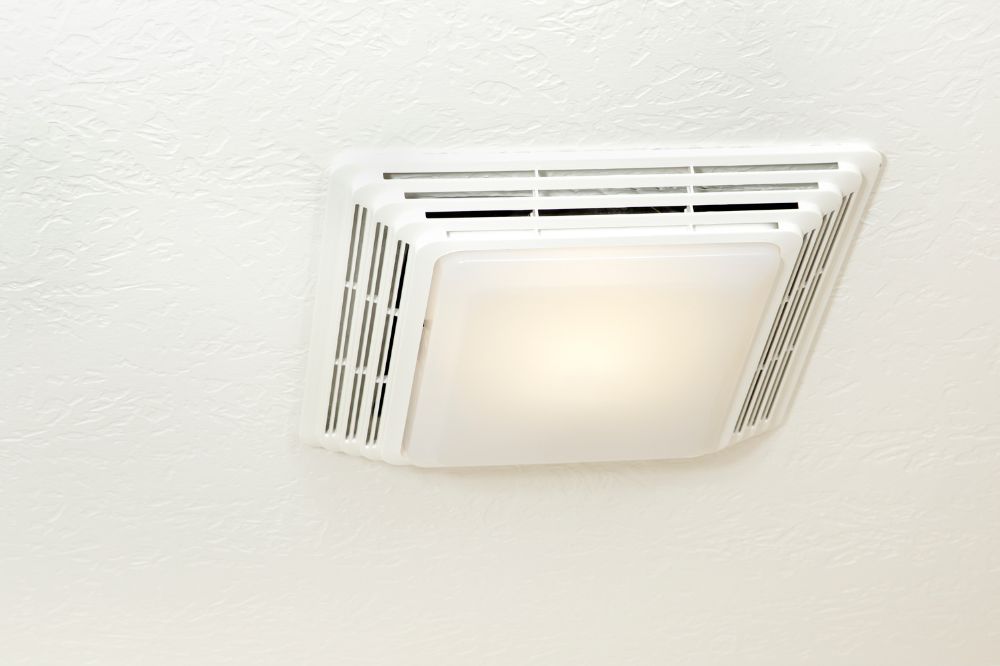
The fan hums, the mirror clears, and the bathroom feels fine. Most people never ask where that steam actually goes.
In a lot of homes, the answer is the attic. The duct came loose years ago, ended just above the insulation, or was pointed at a roof vent and left there.
Every shower sends warm, wet air into a cold space nobody checks. In a Denver winter, that’s how attic mold gets started.
Where Your Shower Steam Really Ends Up
A hot shower fills the bathroom with water vapor, and the fan’s whole job is to move that vapor out of the house. If the duct stops in the attic, the vapor stays inside the building.
On a cold night, that damp air meets the underside of the roof deck, which is about as cold as anything in the house gets. The moisture condenses there, or freezes into a layer of frost.
Denver’s sunny winter days then warm the roof and melt that frost. The water drips onto the insulation and soaks into the wood, and the cycle repeats with the next cold night and the next shower.
What the Building Code Says
Denver’s current building codes, adopted in June 2025 and in effect since the end of that year, are based on the 2024 editions of the international codes, including the International Residential Code.
The IRC requires the air from every mechanical exhaust system to be discharged to the outdoors. It specifically bars exhausting air into an attic, soffit, ridge vent or crawl space.
Earlier IRC editions carried the same language, so a fan dumping into the attic was a code problem long before Denver’s latest update.
Aiming a duct at a soffit vent, gable vent or ridge vent doesn’t count as venting outside. Much of that air drifts right back into the attic.
Signs Your Bathroom Fan Is Venting Into the Attic
You can check most of this from the attic hatch with a flashlight:
-
No roof cap or wall hood outside, anywhere near the bathroom
-
A flexible duct lying loose on top of the insulation, or no duct at all
-
A duct that ends near a soffit, gable vent, or ridge vent instead of passing through the roof
-
Dark gray or black staining on the underside of the roof deck above the bathroom
-
Insulation that looks flattened, clumped, or damp in one area
-
Frost on the roof deck or on nail tips poking through it during cold weather
-
Rust on those nail tips, or drip marks on the insulation below them
Inside the house, watch for a water stain around the fan grille, or a mirror that stays fogged long after the fan has been running.
Why This Kind of Attic Mold Gets Missed
Hardly anyone goes into the attic in winter, so the damage builds quietly for months. Nothing leaks through the ceiling until the insulation is saturated.
Often the first person to find it is a home inspector during a sale. By then it can cover a large section of roof sheathing, and the fix gets more expensive.
How a Bathroom Fan Should Be Vented
A proper setup isn’t complicated, and fixing a bad one is usually a small job compared to what it prevents.
-
Run the duct to a roof cap or wall hood made for exhaust fans, with a damper that closes when the fan is off
-
Keep the run short with as few bends as possible, so it moves more air and gives moisture less room to settle
-
Seal every joint with foil tape or clamps so the duct can’t leak into the attic or slip loose
-
Insulate the duct where it crosses a cold attic, since a cold duct can collect its own condensation and drain it back toward the fan
-
Turn the fan on when the shower starts and let it run for a while after you’re done
If the fan is old and loud, it may also be moving far less air than it should. Replacing it while the duct is being fixed is often worth it.
Already Found Mold in the Attic?
Fix the venting first. Cleaning the roof deck while the fan keeps blowing steam into the attic will only buy a few months.
Then size up the damage. A small stained patch is different from widespread growth, soaked insulation or soft sheathing, and the EPA suggests that areas larger than about 10 square feet need more than a household cleanup.
For anything past a small spot, an IICRC-certified local team like RestoPros of East Denver can assess how far the moisture has spread and remove the damaged material before the spring thaw makes it worse.
Send the Steam Outside Where It Belongs
A bathroom fan that vents into the attic still clears the mirror. It just hands the moisture to the roof deck and insulation instead.
Take five minutes with a flashlight this winter and look at where your duct ends. If it stops anywhere other than a cap on the outside of the house, get it fixed before the next freeze-thaw season does the damage for you.