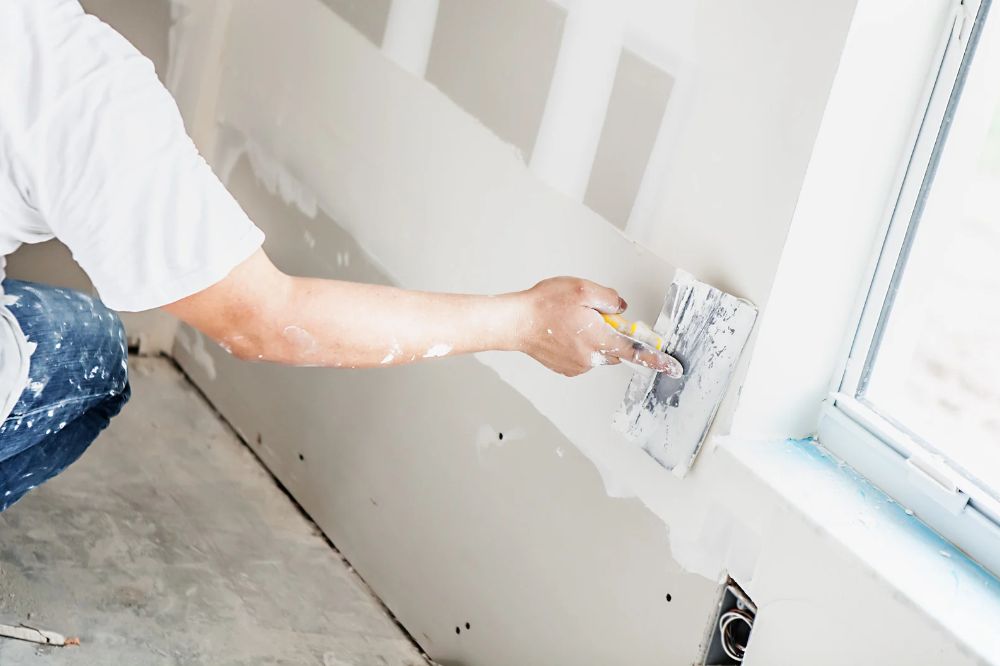
A flip with old water damage usually looks fine by the time the crew is ready to patch. The stain is gone, the drywall feels solid, and the schedule says paint on Friday.
Your hand only reads the surface. The studs, bottom plates, insulation, and subfloor behind it can still be wet enough to grow mold once the wall is closed.
Before you close the walls, ask a restoration firm like the Pacific Flood Restoration team for moisture readings on the framing, not just the drywall face.
A day of readings costs less than a callback or a buyer’s mold report.
Why Drywall Feels Dry Long Before the Wall Is
The drywall face sits in the room’s air, so it dries first. The cavity behind it has almost no airflow, which means the wood and insulation inside hold their water much longer.
Insulation makes it worse by keeping wet material pressed against the studs.
EPA cleanup guidance says wet fiberglass and cellulose insulation should be thrown out and replaced, not dried in place.
The same guidance allows drywall to be dried in place only if there’s no obvious swelling and the seams are intact. Otherwise, it gets cut out and replaced.
What “Dry” Actually Means on a Water-Damaged Flip
Restoration contractors work to a dry standard from the IICRC S500, the industry’s water damage standard. It’s an estimate of what a material’s moisture was before the water got in.
Crews find it by reading similar materials in rooms the water never reached. Trade coverage of the standard puts an acceptable result within about 10 percent of those readings.
Framing that’s about to be enclosed has its own target.
The Department of Energy’s Building America Solution Center recommends checking lumber with a moisture meter and keeping it at or below 18 percent before drywall goes up.
That 18 percent figure is the ENERGY STAR guideline.
California’s green building code sets a similar line. CALGreen Section 4.505.3 bars enclosing wall and floor framing above 19 percent moisture on the projects it covers.
Either way, the call comes from a number on a meter, whatever the wall feels like.
Where Flippers Get Burned Most Often
The bottom of the wall
Water runs down and collects at the bottom plate, so it’s often the last part of the wall to dry. Pull the baseboard and read the plate itself before you sign off.
Behind kitchen and bath cabinets
Base cabinets cover the subfloor and the lower wall, the two places a sink or dishwasher leak soaks first.
If the cabinets stayed in during drying, the readings behind them matter most.
Concrete slabs before new flooring
A slab can hold water long after the surface looks dry.
ASTM F2170, the standard test for moisture inside concrete slabs, notes that flooring makers generally require moisture testing before installing over concrete.
The same standard warns that excess slab moisture can make flooring debond and deteriorate, and can feed microbial growth. Skipping the test on a flip invites a floor failure after closing.
The subfloor under “new” flooring
Plywood and OSB under a bathroom or laundry room can stay wet under vinyl or tile for a long time. Check it with a meter before the new floor covers it for good.
How a Moisture Meter Can Fool You Too
Meters help, but each one has limits.
Pinless meters read only to a certain depth, and a trade article on structural drying points out that very wet materials can appear dry because of that limit.
A few habits make the readings trustworthy.
-
Use a pin meter on framing, and read the bottom plate and the first two feet of each stud.
-
Take a reference reading on the same material in a dry room, then compare.
-
Write down the date, location and number for every reading, and photograph the meter.
-
Test again a day or two later. One good reading doesn’t prove the wall stayed dry.
ASTM makes the same point about slabs. A test result only describes the slab at that moment, in the spots that were tested.
A Pre-Drywall Moisture Checklist for Flips
-
Find and fix the water source before anything else.
-
Remove wet insulation and any drywall that swelled or lost its seams.
-
Dry the space with dehumidifiers and air movers, then let the readings tell you when it’s done.
-
Read studs, plates, sheathing and subfloor in the wet area and in a dry room for comparison.
-
Get framing to 18 percent or lower before you enclose it, and test slabs to the flooring maker’s specs.
-
Save the readings and photos with your project file.
That file pays off at resale. When a buyer’s inspector brings a meter, you’ll have the dated numbers to show the wall was dry when you closed it.
The Real Cost of Closing Walls Too Early
The EPA advises drying water-damaged areas and items within 24 to 48 hours to prevent mold growth. On a flip that has sat vacant, that window has usually passed.
Building America warns that moisture trapped behind drywall can lead to mold, mildew and rot that weakens structural members. Often none of it shows until the property is listed or sold.
At that point, you’re cutting open new drywall, repainting and renegotiating with a buyer. Waiting two more days for the numbers is almost always the cheaper option.