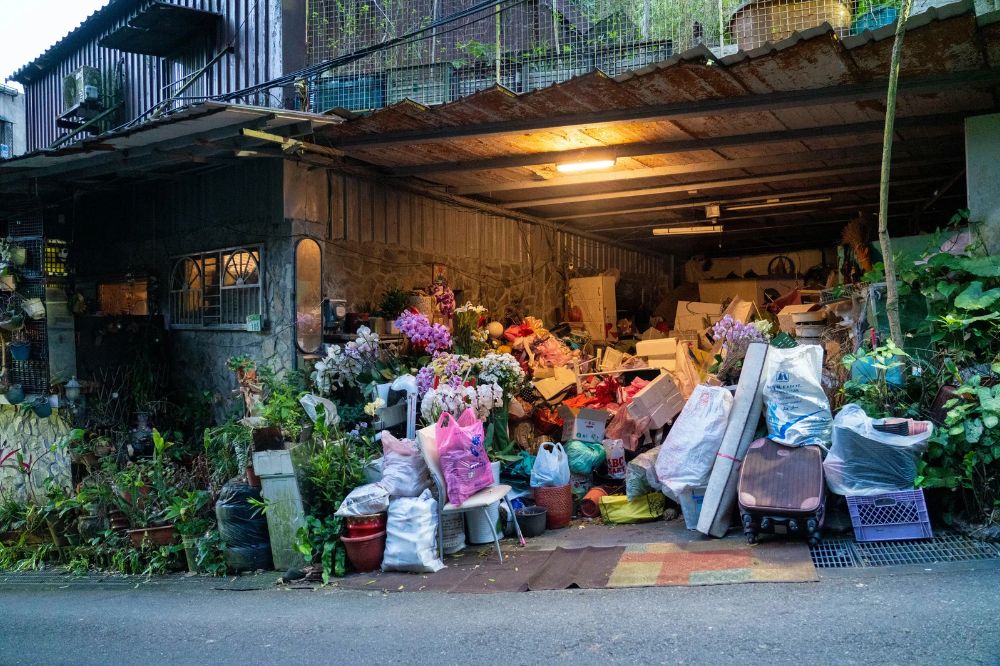

A pipe bursts on a January night, or a kitchen fire is out in two minutes but leaves smoke in every room. Either way, the next two days shape almost everything that follows.
What you do in that window affects how much of your stuff can be saved and how smoothly the claim goes. Here is how to work through it, one room at a time.
Before you touch anything
Make sure the house is safe to be in. After a fire, wait until the fire department clears you to go back inside.
If there’s water near outlets or appliances, only shut off power at the breaker if you can reach it without standing in water. Otherwise, call the utility or an electrician.
Then call your insurance company, report the loss, and write down the claim number. The Colorado Division of Insurance advises reporting fire or smoke damage right away.
Take photos and video of everything before you move or clean it. Don’t throw anything out until the adjuster has seen it.
Why the clock matters
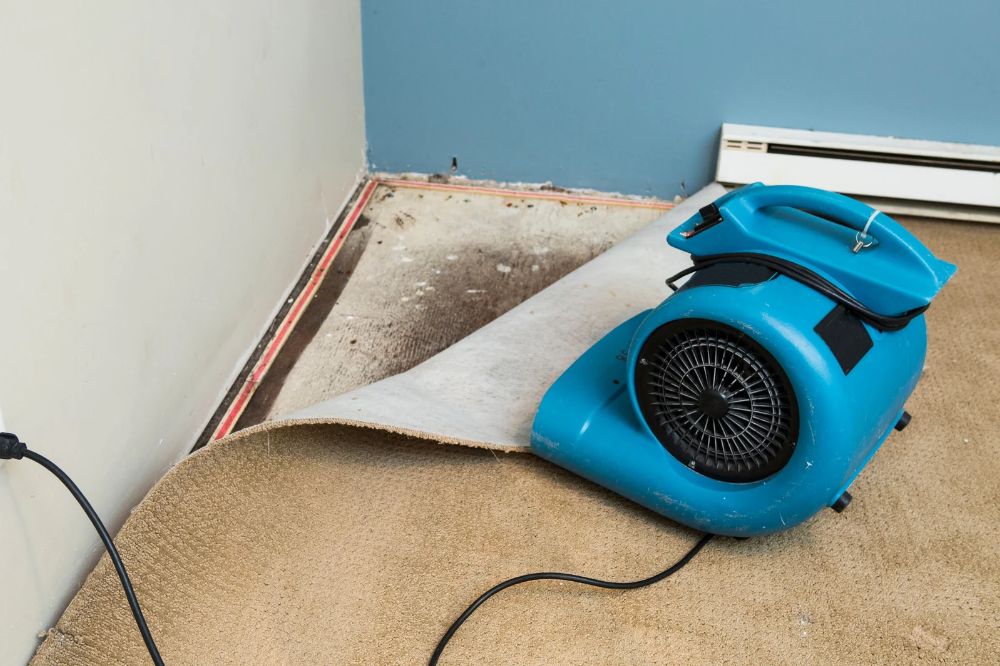
Water keeps working after the leak stops. It wicks up drywall, soaks carpet pads, and swells wood furniture from the feet up.
The EPA’s guidance on mold and moisture says water-damaged areas and items should be dried within 24 to 48 hours to prevent mold growth. Porous things like carpet and ceiling tiles may have to be thrown out once mold sets in.
That’s where the 48 hours comes from. Everything below is about getting belongings dry, separated, and documented inside that window.
Room by room
Kitchen
Unplug small appliances if you can do it safely. Don’t eat food that sat in smoke or floodwater, and photograph it before asking your adjuster about tossing it.
Dishes, pots, and pans almost always clean up fine. Leave them in the cabinets for now.
Living room
Get furniture off wet carpet, or slide foil or plastic under the legs. That keeps wood stain and rust from bleeding into the carpet.
Pull area rugs off wet floors. Take cushions off couches so air can reach every side.
Leave wet electronics unplugged. Resist the urge to dry a TV or game console with a hair dryer and switch it on to see if it works.
Bedrooms
Empty wet closets and drawers. A pile of damp clothes starts to mildew quickly.
After a fire, bag clothes and bedding from smoky rooms on their own. Mixed in with clean laundry, they pass the smell along.
Home office
Move papers, photo albums, and keepsakes to the driest room in the house. Set laptops and hard drives aside and keep them powered off.
Basement
Many Denver homes have finished basements, and that’s where water ends up. Cardboard boxes stored on the floor soak through and collapse.
Get sentimental things up and out first. Holiday decorations and old paperwork can wait an hour.
Garage
Usually last on the list. Move paint, chemicals, and gas cans away from any water, and check that nothing plugged in is sitting wet.
When it’s more than one family can handle
Some losses are small enough for fans and a weekend. Others mean walls are about to come open, and the rooms need to be empty.
If that’s where you are, a contents pack-out team in Denver can inventory, pack, and move your belongings out so drying and repairs start on time. You also get a room-by-room record for the claim.
Keep a running log
From the first hour, write things down: who you called, when, what they said, and every claim number.
Save receipts for fans, tarps, a hotel room, and meals. The Colorado Division of Insurance notes that temporary repairs are typically reimbursable on covered claims.
By the end of day two, most families are exhausted. A notebook and a camera roll full of photos make every phone call after that a lot easier.