
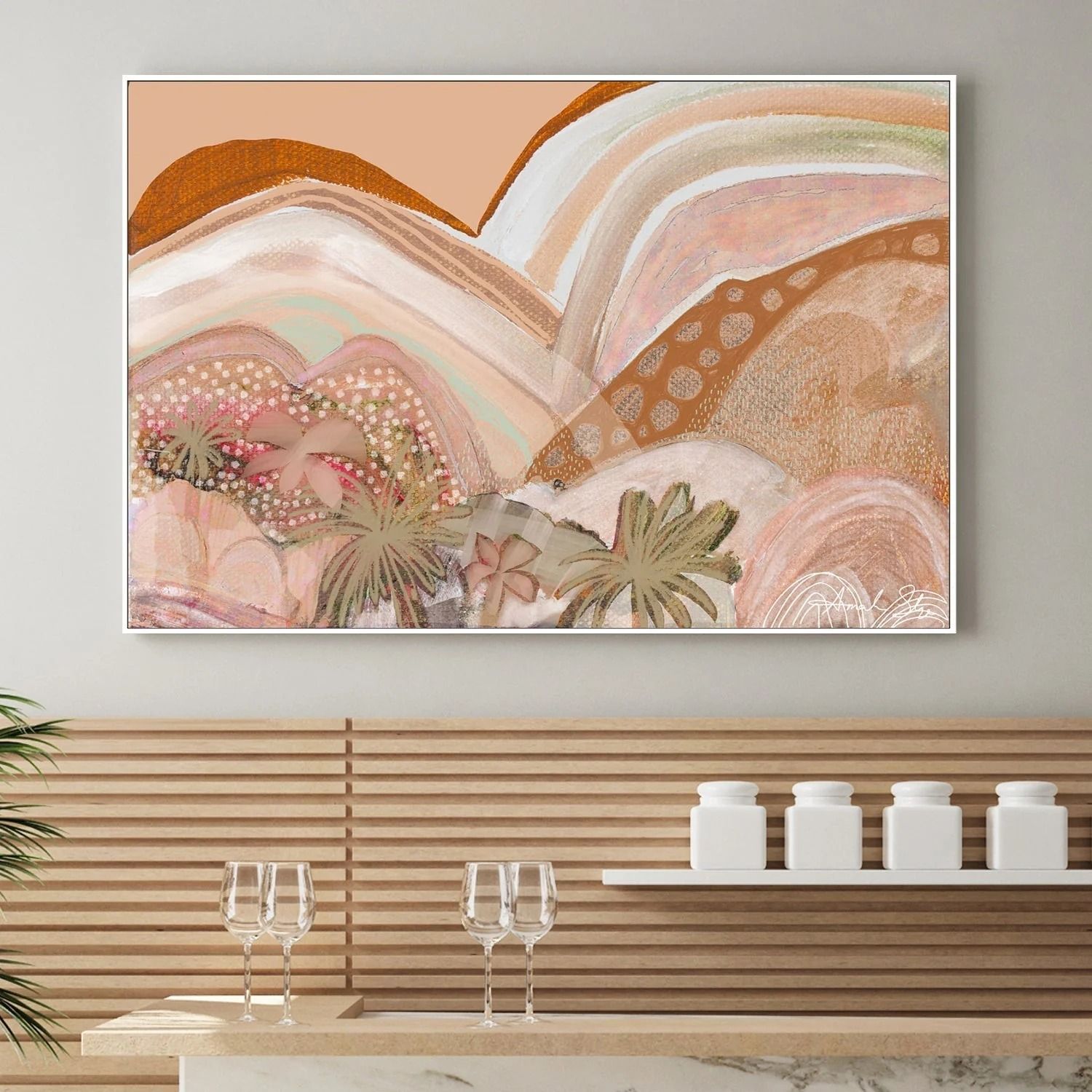
1) Set your space goals before you buy
Start by deciding what you want your room to feel like, because that will guide every choice in your selection process. If your goal is calm and airy, look for soft blues, sandy neutrals, and gentle wave patterns that visually slow the space down. coastal wall art If your goal is energy and contrast, consider bolder ocean scenes with brighter highlights and clearer horizon lines. Write down your room’s main colors and the mood you want, then use that list as your filter.
Next, choose the exact placement so the artwork can do its job without looking cramped or floating. Measure the wall area and note where furniture edges sit, including the top of a sofa, the back of dining chairs, or the height of a console table. Plan for the art to align with those visual anchors, not fight them. This is especially important when you’re selecting large statement pieces, since the wrong scale can overwhelm the room.
2) Match the artwork size and style to your layout
Before you commit, verify the viewing distance from the main seating or walkway area. Coastal scenes often include fine details like shells, shoreline textures, or subtle gradations in the water, which look best when viewers have enough distance to take in the whole composition. If the large canvas wall art wall is a focal point—like behind a bed or a sofa—lean toward a proportion that reads clearly at a glance. For corridors or entry walls, consider a composition that balances height and width so it doesn’t feel top-heavy.
Then confirm your style direction: modern coastal, classic seaside, or minimalist beach-inspired. Modern coastal designs usually favor clean lines and simplified shapes, while classic styles can include more traditional motifs like sailboats or framed shoreline landscapes. Minimalist options work well when you want texture without visual clutter, pairing naturally with neutral walls and natural wood tones. Use your room’s existing finishes—metal, rattan, linen, or stone—to help pick the style that will blend rather than compete.
3) Pick materials, color balance, and framing options
Consider how the finished surface will fit your home’s practical needs. Canvas textures can add warmth and depth, while smooth finishes may feel more sleek and contemporary. Check how colors appear under your lighting, since daylight and warm indoor lamps can shift blues and greens in different ways. A quick test is to imagine how the artwork’s brightest tones will sit near your curtains, rug, or bedding.
Now choose framing or border decisions with intention, even if you plan a simple look. If your wall has strong patterns, a calmer border can keep attention on the sea imagery itself. If your wall is plain, a more defined frame can help the artwork feel intentional and elevated. When you select larger pieces, ensure the color balance supports the room—coastal palettes generally work best when you repeat at least one accent tone from the room, like sea-glass green or weathered sand.
Conclusion
When you align mood, size, and style with your room’s colors and layout, the artwork becomes a natural centerpiece instead of an afterthought. Pay attention to lighting, texture, and framing details to ensure the piece feels cohesive from every angle. For serene, sea-inspired designs made to bring a fresh, calming feel to your home, explore what you can find at gioiawallart.com. Their selection is designed to help you match artwork to your lifestyle—whether you want a gentle shoreline atmosphere or a bolder ocean statement. With the right preparation, your new canvas becomes a daily comfort you’ll notice every time you walk into the room.