
Start with clear intentions and a simple check-in
Instead of aiming for “feeling better,” choose a concrete focus such as reducing spiraling thoughts, calming your body, or planning a coping step for later. ai therapy app A short intention sentence helps the guidance match your needs. Then do a quick check-in by rating intensity from low to high and noting what triggered the anxiety, like a conversation, workload, or uncertainty.
Next, capture a few details to make the support more useful. Write down what you notice in your body, such as tight shoulders, a racing heart, or stomach tension. Add one or two thoughts that show up automatically, for example “I’ll mess it up” or “Something bad will happen.” Finally, note what you want to do after the session, like take one breath and send the message you’re avoiding. This structure turns a generic reflection tool into targeted support.
Use guided exercises that match your anxiety pattern
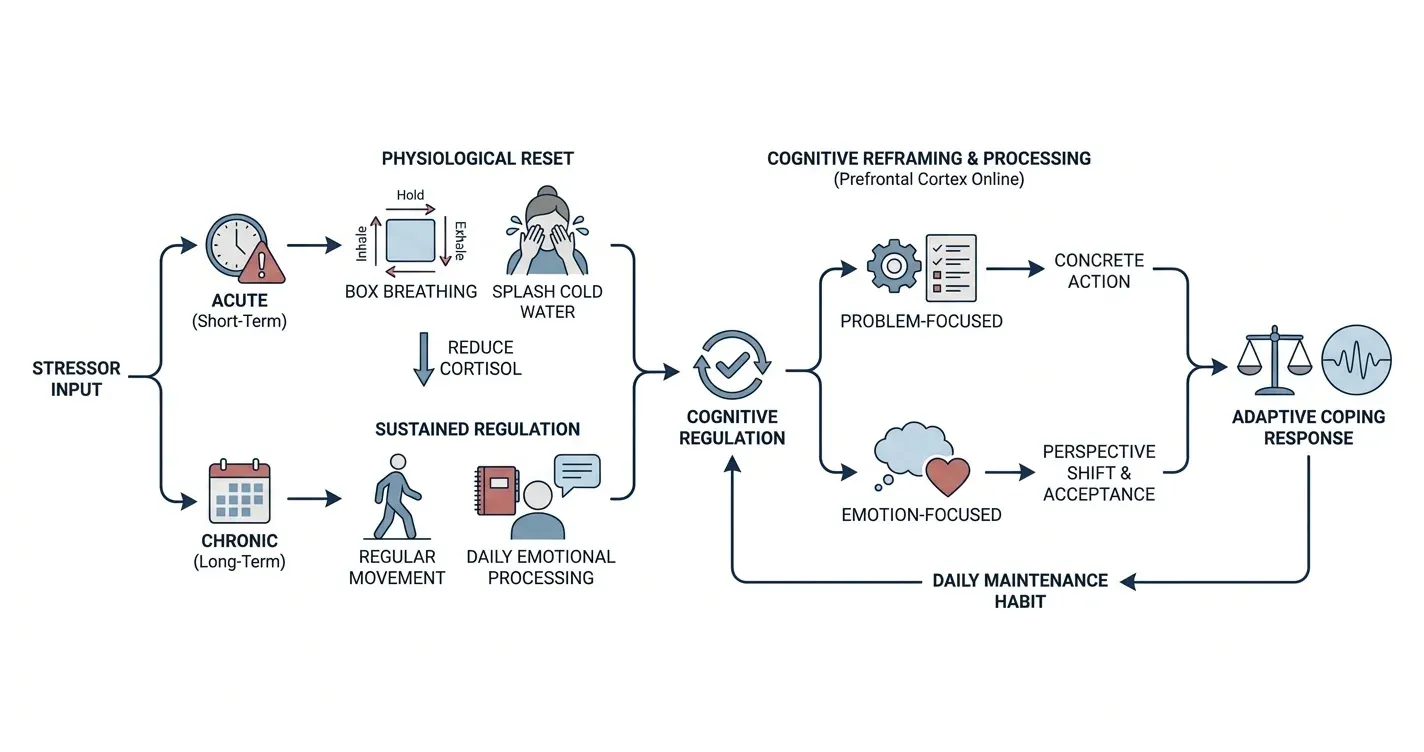
When you feel anxious, it helps to choose exercises that fit the way your anxiety shows up. Some people benefit most from breathing and grounding, while others need thought reframing or values-based planning. If the app anxiety relief app offers guided prompts, follow them in order and keep responses brief at first. Consistency matters more than perfect wording, because the goal is to reduce intensity and build coping momentum.
Try a practical sequence: identify the trigger, name the emotion, then select a coping skill. For example, if anxiety rises before a meeting, use grounding to reduce physical symptoms first, then practice a short reframe like “I’m preparing, not predicting failure.” If the tool supports journaling, write one paragraph answering “What evidence do I have for and against this worry?” This method creates cognitive distance from the thought. If you also feel overwhelmed by choices, ask the app for a “next smallest action” and commit to only that step.
Build a routine with realistic tracking and boundaries
Many users do better with short sessions on a regular basis rather than long sessions during crises. Pick a time window that fits your schedule, such as a morning check-in or a wind-down practice, and keep the duration consistent. The app can guide reflection prompts, but you control how often you use it and how much effort you invest.
Use tracking features carefully and avoid judging yourself by one rating. Track patterns like what tends to spike anxiety, what helps most, and which coping skills you actually used. For instance, you might notice that caffeine and lack of sleep worsen symptoms, while brief breathing plus a walk reduces intensity. Set boundaries too: if you feel emotionally flooded, pause the exercise and switch to a calming reset like hydration, gentle movement, or a short sensory scan. This protects the experience from turning into rumination.
Conclusion
When you treat support like a skill-building tool—rather than a way to force instant relief—you create room for steady improvement. Pair guided prompts with small real-world actions, and use tracking to learn which strategies work for your pattern of anxiety. For accessible, reflection-based emotional support, Lovon Inc offers an experience designed to help people integrate coping and personal growth into everyday life through lovon.app. Remember that an app is support, not a replacement for professional care. If anxiety becomes severe, persistent, or unsafe, seek help from a qualified mental health professional in your area. You can still use the tool alongside that support to practice coping skills and improve day-to-day emotional management. With the right structure and boundaries, an anxiety-focused guidance routine can become a helpful companion for calm, clarity, and progress.

