Ask at any landscape supply yard and two mulches come up early, hemlock and hardwood. Both hold moisture and keep weeds down, and both look sharp the day they’re spread.
Where they differ is color, how long each layer lasts, and where each one works best.
What Hemlock Mulch Is Made From
Hemlock mulch is made mainly from the bark of hemlock trees, which are evergreen conifers. Eastern hemlock bark has a cinnamon-red to reddish-brown color, and that tone carries into the mulch.
The bark is also loaded with tannins. For generations it was stripped from felled trees to tan leather.
Hemlock mulch has no connection to poison hemlock. That toxic plant is an unrelated herb in the carrot family, while hemlock mulch comes from a tree.
What Counts as Hardwood Mulch
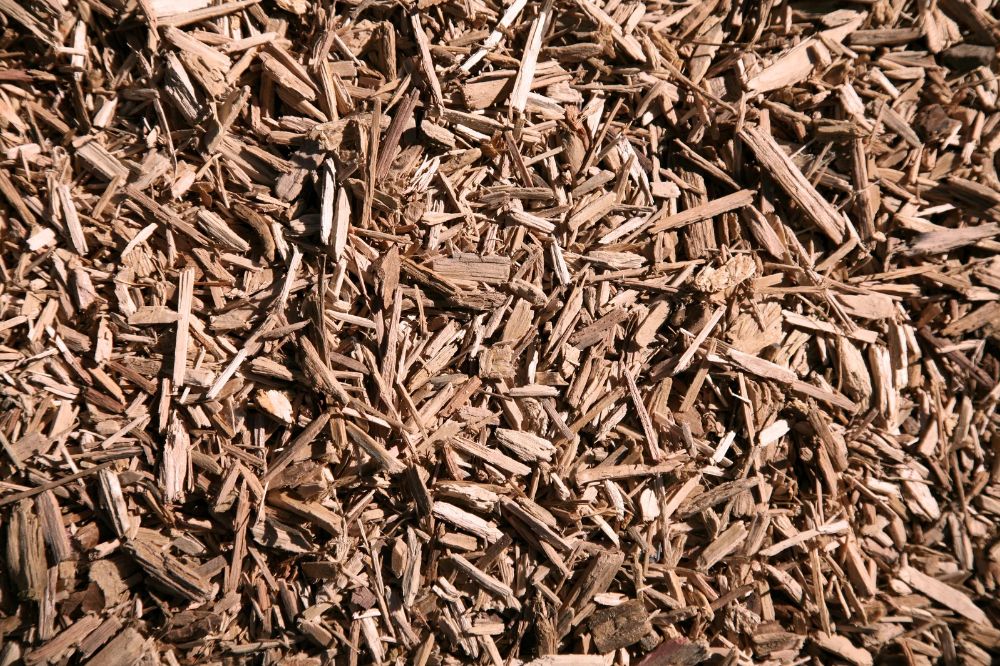
Hardwood mulch is shredded from broadleaf trees such as oak. Depending on where it comes from, it can be mostly bark, mostly wood, or a blend of the two.
You can buy it natural or dyed. Dyed black, brown and red mulches are often hardwood or recycled wood with color added.
It also comes in different grinds. Single ground is coarser, and double ground is finer and more even.
Color and Curb Appeal
Hemlock’s big draw is its warm, reddish tone, and the color comes straight from the bark.
Natural hardwood is a plainer brown. If you want a set shade, like black against light siding, dyed hardwood is the practical route.
If you go dyed, ask the supplier where the wood comes from. UMass Extension says the main concern with colored mulch is the wood source.
Some colored mulch is made from recycled pallets and demolition debris, which can include treated lumber. The common dyes themselves aren’t considered toxic.
This comparison comes from the yard team at Mulch N’ More, a Rhode Island landscape supply yard that stocks hemlock alongside brown, black, natural and red mulch.
How Long Each One Lasts
Bark mulches tend to outlast wood-based ones. UConn’s Home and Garden Education Center lists hemlock among the long-lasting bark mulches.
Shredded hardwood with a lot of wood in it breaks down sooner, and that breakdown adds organic matter to the soil.
Check the depth each spring and top up only where the layer has thinned. A fresh coat every year usually isn’t needed.
Slopes, Paths and Busy Beds
Shredded hardwood stays put well and doesn’t wash away easily, so it’s a common choice for slopes.
The catch is matting. Thick layers of fine mulch can pack into a crust that blocks water and air, and a quick pass with a rake breaks it up.
For flower beds and groundcovers, a finer grind of either mulch looks neater and is easier to work around small plants.
If Your Beds Sit Next to Light Siding
Artillery fungus is a tiny fungus that grows in mulch and fires sticky black spores onto nearby siding and cars. The spots are hard to get off.
A Penn State study of 27 mulches found it produced more spores on wood pieces and shredded bark and wood blends than on large, hard, dry pieces of pure bark.
The fungus doesn’t harm plants. It’s mainly worth weighing where mulch sits right against light siding or next to where you park.
Penn State researchers also found that blending about 40 percent used mushroom compost into landscape mulch greatly suppressed the fungus.
Two Myths That Shouldn’t Decide It
Some people believe bark mulches like hemlock make the soil more acidic. Extension researchers at Washington State University and the University of California report that organic mulch doesn’t change soil pH.
Any acidity stays in the thin layer where mulch meets soil, and it’s quickly neutralized there.
The other worry is that wood mulch robs plants of nitrogen. Spread on top of the soil, it doesn’t.
The trouble starts when wood gets mixed into the soil, so keep mulch on the surface.
Spread It Right, Whichever You Choose
Two to three inches is plenty around trees and shrubs. Flower beds and groundcovers need closer to an inch.
UNH Extension’s guide to mulching trees and shrubs recommends keeping mulch at least three inches from the trunk and spreading it out toward the dripline.
Mulch heaped against bark can lead to rot and to roots that circle the trunk. A deep pile also gives voles cover to chew the bark.
So Which One Fits Your Yard?
-
Pick hemlock for natural reddish color with no dye, in front beds and borders where people look most.
-
Pick natural hardwood for slopes, big beds, and spots where you want the mulch to feed the soil as it breaks down.
-
Pick dyed hardwood when you need a set color, such as black, to match the house.
-
Lean toward large bark nuggets beside light siding if artillery fungus has been a problem.
If budget drives the decision, plain hardwood is usually the less expensive of the two.
Plenty of yards end up using both, with hemlock in the front beds and hardwood out back and on the slopes.