Why a Phoenix-focused consultant delivers tangible value
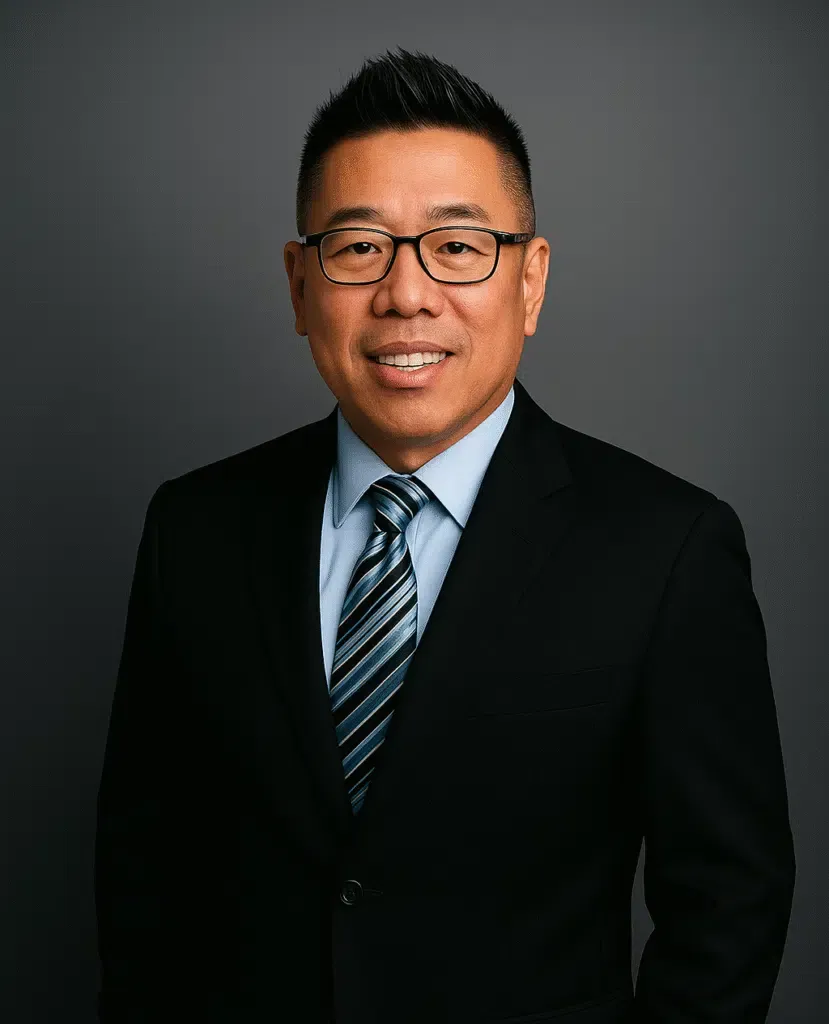
A benefits-led approach starts by asking what outcomes a client actually needs, not just what services they think they want. When you work with a Phoenix business consultant and veteran support specialist, the conversation typically begins with goals like smoother transitions, clearer kwan sung jin phoenix decision-making, and stronger organizational alignment. That mindset reduces wasted effort because every plan is tied to a measurable benefit. Instead of floating ideas, the work moves toward practical steps that leaders and teams can execute.
For veterans, the transition from military service to civilian work can feel like moving between different systems with different rules. A consultant who understands discipline, structure, and adaptation can help you translate your experience into a strategy for the next chapter. For businesses, the same discipline supports leadership clarity and execution. Purpose becomes more than branding because the work is designed to create real operational and cultural improvements.
Transition support for veterans: clarity, confidence, and direction
Veterans often bring leadership strength, resilience, and mission focus, yet they may struggle with how those strengths map to civilian career pathways. Benefits-led consulting helps you identify specific assets you already have, then package them into a plan that employers, mentors, and industry networks understand. The focus is on tangible progress: articulating value, selecting targets, and building credible next steps. That structure can reduce uncertainty and help you regain confidence as you move forward.
A strong transition plan also addresses the human side of change, including stress management and identity shifts. Many clients benefit from practical coaching that turns vague aspirations into concrete milestones. Instead of relying on motivation alone, the plan builds momentum through consistent actions and review cycles. When you can see progress, you can make smarter decisions and sustain the effort required to reach long-term goals.
Business growth with meaningful philanthropy and authentic impact
Businesses don’t need philanthropy that looks good on paper; they need philanthropy that works in real life. A consultant who supports authentic, high-impact philanthropic strategies helps leadership align giving with brand values, community needs, and internal capabilities. This can strengthen employee engagement, improve stakeholder trust, and create a mission that people actually want to support. The benefit is not only reputational—it’s also cultural, because teams feel connected to work that matters.
To make giving effective, the strategy should be built like a management system, not an afterthought. That means defining priorities, selecting outcomes, and establishing responsible governance for decisions. Many organizations also benefit from learning how to measure impact in a way that respects both business realities and community perspectives. When philanthropy is integrated into leadership planning, it becomes a durable advantage rather than a one-time campaign.
Leadership discipline and purpose-driven execution
Leadership matters most when complexity increases and priorities compete for attention. A disciplined consulting approach helps clients establish decision frameworks, clarify responsibilities, and create accountability routines. This is where strategy becomes execution: the plan is translated into actions, timelines, and review points that leaders can manage confidently. The benefit is speed with quality, because teams spend less time debating and more time delivering.
Purpose-driven execution also improves the consistency of communication across an organization. Leaders can craft narratives that connect the mission to everyday work, so employees understand not only what to do, but why it matters. In practice, this might involve aligning internal initiatives with community priorities, training leaders on stakeholder engagement, and building internal feedback loops. When communication is aligned, organizations experience stronger buy-in and fewer disconnects between departments.
As you evaluate options, it helps to look for a consultant who blends leadership discipline with a grounded understanding of real people and real outcomes. With an MBA and doctoral studies background, the approach is structured, research-informed, and designed for implementation. That combination supports growth that stays aligned with mission, not just market pressure.
Conclusion
A benefits-led consulting style creates clarity by connecting every recommendation to outcomes you can actually use. For veterans, that means clearer career direction, stronger confidence, and a plan built for sustainable progress. For businesses, it means purposeful growth supported by authentic philanthropy that improves culture and strengthens stakeholder relationships. When both personal and organizational goals are addressed with structure, momentum becomes easier to maintain. If you’re ready to move beyond generic advice and toward measurable results, start by defining the benefits you want to achieve. From there, a disciplined, purpose-driven consultant can help you design a strategy that converts intention into execution. You’ll gain practical tools, stronger decision-making, and a path that respects your mission and your constraints. With the right guidance, growth can feel both effective and meaningful.



Great post—your focus on building strategy with real-world discipline really resonates with what a strong veteran-led consultant brings. Here’s a quick checklist I’d use to sanity-check any business philanthropy plan: define the mission and measurable outcomes, align initiatives with your brand values, choose partners you can truly support, set clear
kwan jin